


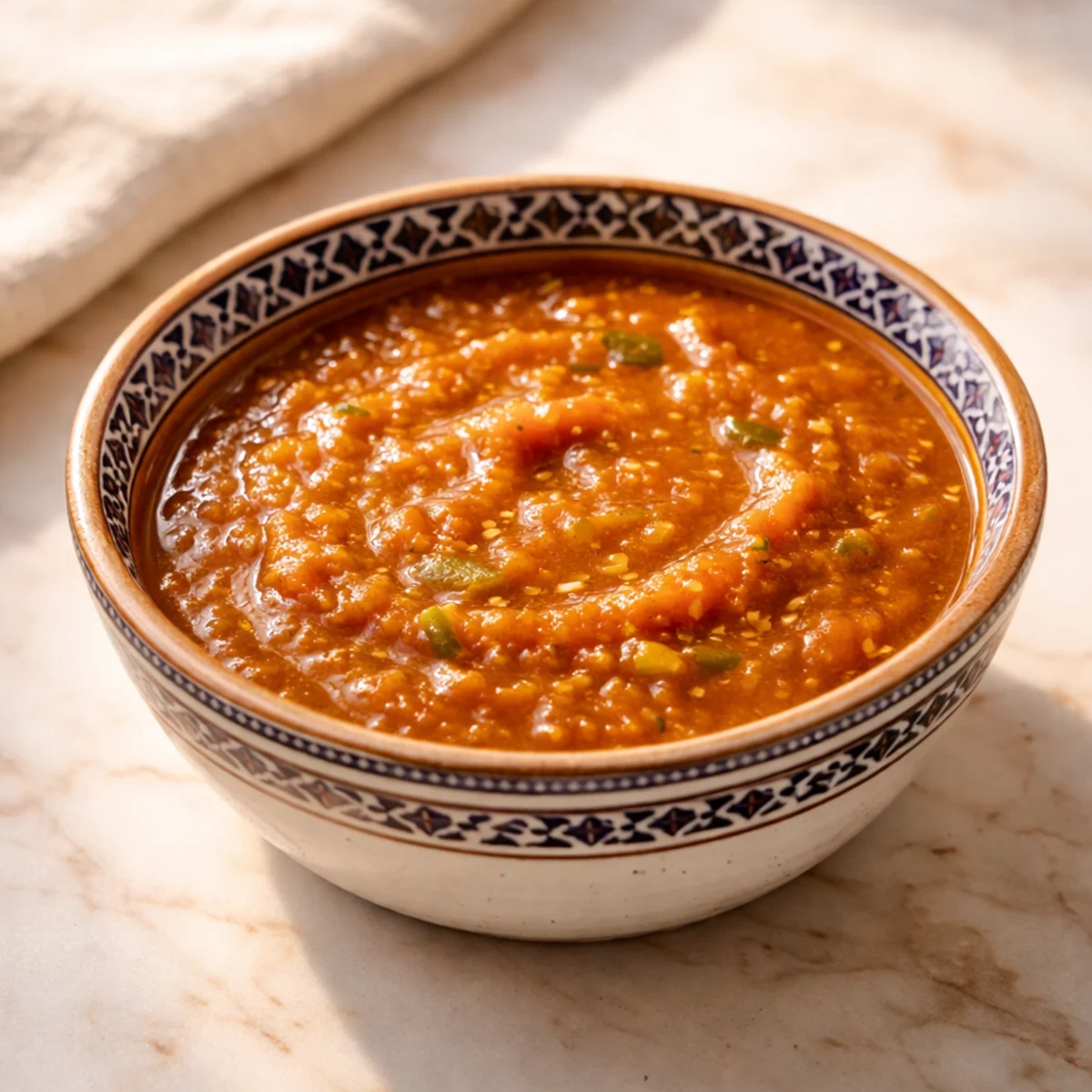
Sofrito Wine Pairing Guide: The Best Wines for This Flavor Base
Introduction
Sofrito is one of those kitchen foundations that quietly does the heavy lifting. Built from tomato, onion, and garlic, it brings a savory-sweet depth that can transform everything from rice and beans to braised meats, stews, and seafood. In many homes, the aroma of sofrito simmering in olive oil is the first sign that a comforting meal is on the way. It’s humble, yes—but it’s also deeply flavorful, endlessly versatile, and a perfect match for wine.
That’s exactly why sofrito deserves a closer look from anyone who loves cooking and wine pairing. Its balance of sweetness, acidity, and aromatic intensity gives you a lot to work with when choosing a bottle. Whether you’re looking for a bright white, a juicy red, or a Spanish import that feels especially at home with this dish, the right wine can make sofrito taste even more vibrant. If you’ve ever searched for the best wine for sofrito, you’re in the right place. This guide breaks down the dish, the recipe, and the wine recommendation options that make it a true perfect match.
About This Dish
Sofrito is more than a recipe—it’s a culinary language shared across Spanish, Caribbean, and Latin American kitchens, with each region putting its own accent on the mixture. At its core, sofrito is an aromatic base of onion, garlic, and tomato cooked down until soft, fragrant, and concentrated. Some versions add peppers, herbs, olive oil, or spices, but the essential idea stays the same: build flavor from the ground up.
What makes sofrito special is its ability to create depth without feeling heavy. The onions bring sweetness, the garlic adds pungency and warmth, and the tomato contributes body, acidity, and a gentle richness. When cooked slowly, these ingredients meld into something greater than the sum of their parts. It’s the kind of foundation that gives a dish soul.
In American food culture, sofrito fits beautifully into the modern home cook’s repertoire because it’s both accessible and adaptable. It can anchor weeknight meals and holiday spreads alike. It also reflects the multicultural way people cook and eat in the United States today—drawing from tradition while welcoming improvisation. That flexibility makes sofrito especially exciting for wine pairing. Depending on how it’s used, the dish can lean bright and fresh, deeply savory, or softly sweet, opening the door to a wide range of wines.
Key Ingredients & Their Role
The beauty of sofrito lies in restraint. With just a few ingredients, you get a base that can support an entire meal. Each component plays a distinct role, and understanding those roles is the key to choosing the right wine for Sofrito.
Tomato gives the mixture its backbone. It adds acidity, color, and a subtle sweetness that intensifies as it cooks. Tomatoes also bring umami, especially when reduced slowly, which creates a more rounded, savory profile. In wine pairing, that acidity matters. You’ll want a wine that can stand up to the tomato without tasting flat or overly sharp.
Onion is the sweetening agent. As it softens and caramelizes, it develops a mellow, almost silky flavor that balances the sharper edges of garlic and tomato. This sweetness is one reason sofrito pairs well with wines that have ripe fruit character. A wine recommendation with fresh red fruit or citrus lift can echo that sweetness without overpowering the dish.
Garlic is the aromatic spark. It brings heat, depth, and a savory backbone that makes sofrito so irresistible. Garlic can be tricky with wine if it’s raw or aggressive, but once cooked into the base, it becomes far more approachable. Wines with good acidity and moderate body tend to work best.
The cooking fat—usually olive oil—ties everything together, carrying flavor and giving the sofrito a lush texture. That richness broadens your wine options slightly, especially if the sofrito is used in a heartier recipe. If you’re looking for a perfect match, think balance: enough acidity to match the tomato, enough fruit to complement the onion, and enough structure to handle the garlic.
Recipe
Sofrito Recipe
Prep time: 10 minutes Cook time: 25 minutes Total time: 35 minutes Servings: 6 Difficulty: Easy
Ingredients
- 2 tablespoons olive oil
- 1 medium yellow onion, finely chopped
- 4 garlic cloves, minced
- 2 medium tomatoes, finely chopped or grated
- 1 teaspoon kosher salt
- 1/2 teaspoon black pepper
- 1/2 teaspoon dried oregano
- 1 bay leaf
- 2 tablespoons water, as needed
Instructions
- Heat the olive oil in a medium skillet over medium heat.
- Add the chopped onion and cook for 5–7 minutes, stirring often, until soft and translucent.
- Stir in the garlic and cook for 30–45 seconds, just until fragrant.
- Add the tomatoes, salt, black pepper, oregano, and bay leaf.
- Reduce the heat to medium-low and cook for 15–20 minutes, stirring occasionally, until the mixture thickens and becomes deeply aromatic.
- If the sofrito starts to stick, add 1–2 tablespoons of water to loosen it.
- Remove the bay leaf and use immediately, or cool and store for later.
Nutrition Facts per serving
- Calories: 55
- Fat: 4 g
- Carbohydrates: 5 g
- Protein: 1 g
- Sodium: 220 mg
- Fiber: 1 g
- Sugar: 2 g
Dietary Information
- Vegetarian
- Vegan
- Gluten-free
- Dairy-free
- Nut-free
Perfect Wine Pairings
Sofrito is wonderfully versatile, which means the best wine pairing depends on how you’re serving it. Is it the base for a seafood rice dish? A bean stew? Chicken simmered in sauce? The answer changes the bottle, but the guiding principle stays the same: look for freshness, balance, and enough flavor to keep pace with the dish.
For a classic sofrito, wines with bright acidity are your best friends. Tomato brings acidity, so a wine with lively structure will feel more harmonious than one that’s soft or overly oaky. You also want moderate body—something that won’t disappear against the savory sweetness of onion and garlic, but won’t overwhelm the dish either.
1. Spanish White Wines
A crisp Albariño from Spain is one of the smartest wine recommendation choices for sofrito. It has zesty acidity, citrus notes, and a clean finish that refreshes the palate. If you’re cooking a lighter sofrito-based dish, this is a perfect match. Look for bottles in the $15–30 range at Trader Joe’s, Total Wine, BevMo, and local wine shops.
2. California Sauvignon Blanc
A bright California Sauvignon Blanc from Napa or Sonoma can be excellent with sofrito, especially when the dish leans herbaceous or is served with vegetables, chicken, or seafood. The wine’s citrus, green apple, and fresh herb notes mirror the aromatic lift of garlic and onion while keeping the pairing lively. This is a very accessible wine pairing option in the U.S., and it’s easy to find at grocery stores and Total Wine.
3. Oregon Pinot Noir
If your sofrito is part of a heartier dish—say with mushrooms, chicken, or roasted vegetables—Oregon Pinot Noir is a graceful choice. Its red fruit, earthy undertones, and supple tannins complement the savory-sweet character without dominating it. Choose a lighter, fresher style rather than something too extracted. This is often the best wine for sofrito when the final dish has more depth and texture.
4. Spanish Garnacha
For a red option, Spanish Garnacha offers juicy fruit, gentle spice, and enough acidity to handle tomato-based flavor. It’s one of the most natural pairings for sofrito because it shares the dish’s warmth and vibrancy. Garnacha is widely available through Total Wine and specialty wine shops, and many bottles deliver excellent value at $15–30.
If you want to explore beyond these styles, Vinomat can help you narrow the field based on the exact dish you’re making. That’s especially useful because sofrito is a flavor base, not a single finished plate. The perfect match depends on how you use it, and Vinomat makes that search much easier.
Cooking Tips & Techniques
The biggest secret to great sofrito is patience. Don’t rush the onions. Let them soften slowly so their natural sweetness can emerge. If you cook them too fast, they can brown before they develop the mellow flavor that makes sofrito so useful.
Use fresh garlic, and add it after the onions have begun to soften. Garlic burns quickly, and bitter garlic can throw off the entire dish. The same goes for tomatoes: if they’re watery, cook the sofrito a little longer so the flavors concentrate. You want a thick, spoonable base, not a soupy mixture.
Taste as you go. A small pinch more salt can make the tomato taste fuller, while a touch of water can keep the mixture from sticking and burning. If you want a deeper flavor, let the sofrito cook until the oil begins to separate slightly from the vegetables. That’s a good sign that the ingredients have fully melded.
For wine pairing purposes, avoid overloading the sofrito with too many strong spices if you want a flexible bottle to go with it. The simpler the base, the easier it is to find a wine recommendation that works across multiple dishes. And if you’re making a larger batch, freeze portions in small containers so you always have a flavor head start ready to go.
Serving Suggestions
Sofrito shines in so many settings that serving it well is really about context. Use it as the base for rice and beans, spoon it into stews, fold it into braised chicken, or simmer it with shrimp for a quick, aromatic dinner. It also works beautifully as a flavor starter for soups, lentils, and roasted vegetables.
For presentation, think color and contrast. A bowl of saffron rice, black beans, or golden roasted potatoes gets an instant lift from a spoonful of sofrito on top. Fresh herbs, a drizzle of olive oil, or a squeeze of lime can brighten the plate and echo the dish’s savory-sweet character.
If you’re serving wine, keep the setting relaxed but intentional. A chilled white or a light red in the $15–30 range makes the meal feel polished without being fussy. This is the kind of dinner that works just as well on a weeknight as it does for guests. Use simple linens, warm lighting, and shared dishes at the table to create a welcoming, convivial atmosphere.
Conclusion
Sofrito proves that simple ingredients can create extraordinary flavor. With its savory-sweet aroma and rich versatility, it’s a dish base that invites experimentation—and a smart place to start when exploring wine pairing. Whether you choose a crisp white, a vibrant Spanish red, or a fresh Oregon Pinot Noir, there’s a bottle that can turn this humble recipe into something memorable.
If you’ve been searching for the best wine for Sofrito, let Vinomat guide the way. It’s an easy, approachable way to discover the perfect match for your table, your taste, and your next great meal.