


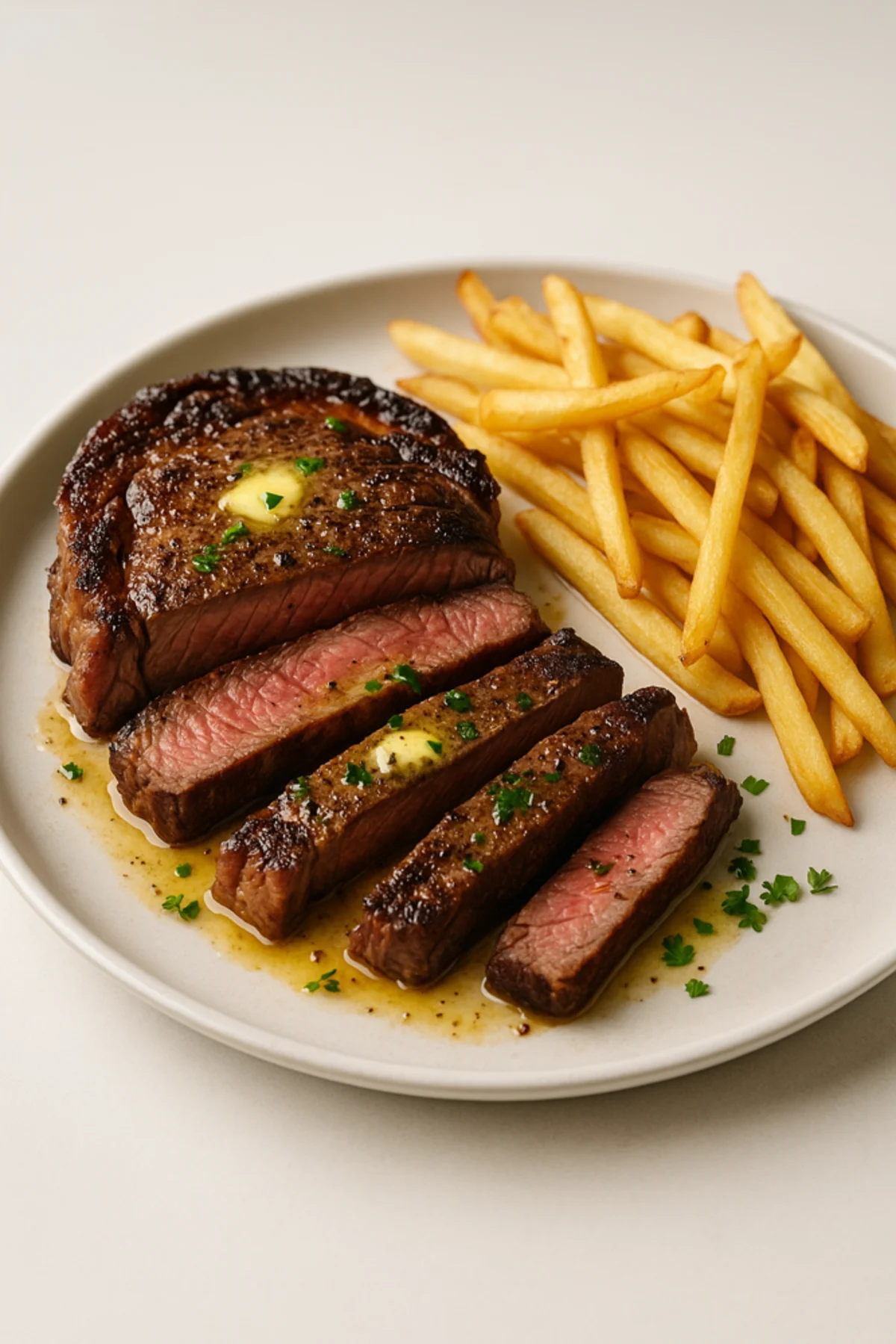
Steak Frites Recipe & Wine Pairing Guide for Home Cooks
Steak Frites: A Classic Dish That Deserves an Exceptional Wine Pairing
There's something undeniably romantic about steak frites—the sizzle of a perfectly seared ribeye, the crispy crunch of golden French fries, and the rich, buttery sauce that ties it all together. This iconic dish, born in the bistros of Paris and Belgium, has become a beloved staple in restaurants and home kitchens across America. But here's what elevates steak frites from simply delicious to truly memorable: the right wine pairing.
Whether you're planning an intimate dinner for two or impressing guests with your culinary skills, steak frites offers the perfect canvas for exploring wine pairings. The umami-rich beef, salty crispy potatoes, and luxurious butter sauce create a flavor profile that practically begs for a thoughtfully chosen wine. In this comprehensive guide, we'll walk you through creating restaurant-quality steak frites in your own kitchen and help you discover the perfect wine to accompany this timeless classic.
Steak frites isn't just about throwing a steak on a pan and calling it a day—it's about understanding the techniques that transform simple ingredients into something extraordinary. And when you pair it with the right wine, you're not just eating dinner; you're creating an experience.
About This Iconic Dish
Steak frites carries the soul of European bistro culture. This deceptively simple dish—a perfectly cooked steak served alongside crispy French fries—originated in Belgium and France, where it became the ultimate comfort food in casual dining establishments. The beauty of steak frites lies in its unpretentious elegance: it doesn't require exotic ingredients or complicated techniques, yet it delivers profound satisfaction.
The dish's magic comes from the interplay of textures and flavors. The tender, juicy steak provides rich umami notes, while the crispy exterior creates a textural contrast. The fries, when done properly, offer their own crispy-outside, fluffy-inside perfection. Many traditional recipes include a simple butter sauce or béarnaise, though modern interpretations have expanded to include herb butters, horseradish creams, and garlic aiolis.
What makes steak frites so appealing to American home cooks is its accessibility combined with its sophistication. You don't need fancy equipment or hard-to-find ingredients, yet the result feels restaurant-quality. It's the kind of dish that says, "I put thought and care into this meal," without requiring you to spend hours in the kitchen.
The cultural significance of steak frites extends beyond its origins. It represents a philosophy of cooking that values quality ingredients, proper technique, and the joy of sharing good food. In the context of wine pairing, steak frites offers an excellent opportunity to explore how wine and food interact, making it perfect for those looking to deepen their appreciation of wine.
Key Ingredients & Their Role in Creating the Perfect Dish
Understanding each component of steak frites helps you appreciate why this dish pairs so beautifully with wine. Let's break down the essential ingredients and their flavor contributions.
The Steak: The foundation of steak frites is, naturally, the steak. Ribeye steaks are traditional for their marbling and tenderness, though New York strip steaks and bavette cuts also work wonderfully. The fat in the steak is crucial—it creates those savory, umami-rich flavors that make steak frites so satisfying. When you sear a steak properly, you're creating a flavorful crust through the Maillard reaction, which develops complex, savory compounds. This richness is why steak frites pairs so well with wines that have good acidity and structure to cut through the fat.
The Potatoes: Russet potatoes are the classic choice for steak frites, and for good reason. Their high starch content makes them ideal for achieving that coveted crispy exterior and fluffy interior. The key to perfect fries is the double-fry method: a first fry at lower temperature (around 300°F) to cook the potato through, and a second fry at higher temperature (350°F) to create the golden, crispy exterior. The starch in potatoes also means they have a subtle sweetness that complements the savory steak beautifully.
Butter & Aromatics: Butter, fresh thyme, garlic, and sometimes rosemary create the sauce that brings everything together. These ingredients add richness and aromatic complexity. The butter basting technique—spooning hot butter over the steak as it cooks—infuses it with garlic and herb flavors while keeping the meat moist. This layer of richness is important to consider when selecting a wine pairing; you'll want something with enough body and acidity to stand up to it.
Salt & Pepper: Never underestimate the importance of quality sea salt and freshly ground black pepper. These seasonings enhance the natural flavors of the steak and fries while adding that essential savory note that makes you reach for your wine glass.
Together, these ingredients create a dish with bold, savory, and slightly salty flavors—a profile that demands a wine with character, acidity, and enough body to complement rather than be overwhelmed by the food.
How to Make Perfect Steak Frites at Home
Prep Time: 30 minutes Cook Time: 25-30 minutes Total Time: 55-60 minutes Servings: 2 Difficulty Level: Intermediate
Ingredients
For the Herb Butter:
- 4 tablespoons unsalted butter, softened
- 1 tablespoon fresh rosemary, finely chopped
- 1 tablespoon fresh thyme, finely chopped
- 2 green onions, finely minced
- 2 garlic cloves, minced
- Zest of 1 lemon
- 1 tablespoon fresh lemon juice
- Salt and pepper to taste
For the Fries:
- 3 medium russet potatoes
- Peanut oil or vegetable oil for frying (about 2 quarts)
- Coarse sea salt to taste
- Optional: fresh parsley, grated Parmesan, olive oil for finishing
For the Steak:
- 2 ribeye or New York strip steaks (12 ounces each)
- 2 tablespoons high-heat oil (avocado or vegetable oil)
- 8-10 fresh thyme sprigs
- 8-10 garlic cloves, crushed
- 4 tablespoons unsalted butter
- Coarse sea salt and freshly ground black pepper
Instructions
Making the Herb Butter:
- Add softened butter to a stand mixer fitted with the paddle attachment. Whip on high speed for 5-7 minutes until light, fluffy, and pale in color. This aerates the butter and creates a better texture.
- Add the rosemary, thyme, green onions, and garlic, mixing until combined.
- Add lemon zest and lemon juice, then season with salt and pepper. Mix until fully incorporated.
- Transfer to a small bowl and set aside. You can make this up to 2 days ahead and refrigerate.
Preparing the Fries:
- Scrub and wash the russet potatoes thoroughly under cold running water to remove any dirt.
- Cut potatoes into batonnet slices (approximately ¼-inch thick and 3 inches long) using a sharp knife or mandoline.
- Place cut potatoes in a large bowl filled with ice-cold water. This is crucial—it removes excess starch, which helps achieve crispier fries. Soak for 30 minutes to 2 hours.
- Drain potatoes in a colander and rinse thoroughly under cold water.
- Spread potatoes on paper towels and pat completely dry. Excess moisture will cause oil splattering and prevent proper crisping.
- Heat oil in a deep fryer or heavy-bottomed pot to 300°F. Line a baking sheet with paper towels and set nearby.
- Working in batches (don't overcrowd the pan), carefully add fries to the hot oil using a slotted spoon. Fry for about 10 minutes until tender but not yet golden. The potatoes should be cooked through but still pale.
- Using a slotted spoon, transfer fries to the paper towel-lined baking sheet. Once all batches are complete, refrigerate for 30 minutes to 1 hour. This cooling period is essential for achieving maximum crispiness in the second fry.
Preparing the Steak:
- Remove steaks from the refrigerator 30 minutes before cooking to allow them to reach room temperature. This ensures even cooking throughout.
- Pat steaks completely dry with paper towels—moisture prevents proper searing.
- Season both sides generously with coarse sea salt and freshly ground black pepper just before cooking.
Searing the Steak:
- Heat a large cast-iron skillet or heavy-bottomed frying pan over high heat until it's smoking hot (about 2-3 minutes).
- Add 2 tablespoons of high-heat oil to the pan. It should shimmer immediately.
- Carefully place steaks in the pan and sear without moving them for 4-5 minutes to develop a golden crust. Using tongs, press down gently for the first 15-20 seconds to ensure good contact with the pan.
- Flip steaks and immediately reduce heat to medium. This prevents the exterior from burning while the interior finishes cooking.
- Add thyme sprigs, crushed garlic cloves, and 4 tablespoons butter to the pan.
- Tilt the pan slightly and use a spoon to continuously baste the steaks with the foaming butter for 3-4 minutes. This adds flavor and keeps the meat moist.
- Check internal temperature: 130-135°F for medium-rare, 135-145°F for medium. Remember that carryover cooking will raise the temperature by 3-5°F.
- Transfer steaks to a cutting board and rest for 3-4 minutes. This allows juices to redistribute throughout the meat, ensuring tenderness.
Finishing the Fries:
- While the steak rests, increase oil temperature to 350°F.
- Working in batches, add chilled fries to the hot oil and fry for 3-5 minutes until golden brown and crispy.
- Transfer to a clean paper towel-lined baking sheet and immediately toss with coarse sea salt.
- Optional: toss with fresh parsley, grated Parmesan, and a drizzle of extra virgin olive oil for added flavor.
Plating and Serving:
- Slice steaks against the grain using a sharp knife.
- Arrange sliced steak on a warm plate with fries alongside.
- Top steak with a generous dollop of herb butter, allowing it to melt over the warm meat.
- Serve immediately with additional herb butter on the side for dipping fries.
Nutritional Information (per serving)
- Calories: 850-950
- Protein: 55g
- Fat: 65g
- Carbohydrates: 35g
- Fiber: 3g
- Sodium: 1,200mg
Dietary Information
- Gluten-free (if using certified gluten-free oil)
- Dairy-free option: Replace butter with olive oil-based sauce
- Low-carb option: Serve with roasted vegetables instead of fries
Perfect Wine Pairings for Steak Frites
The beauty of steak frites lies not just in its flavor, but in its remarkable versatility when it comes to wine pairing. The rich, umami-forward steak combined with crispy, salty potatoes and buttery sauce creates a canvas that welcomes wines from multiple regions and styles.
Understanding the Pairing Principles: When pairing wine with steak frites, you're looking for wines with sufficient body, acidity, and structure to complement—not compete with—the dish. The acidity cuts through the richness of the butter and beef fat, while the wine's tannins (in red wines) provide a pleasant grip that enhances the savory flavors. The wine should have enough character to stand up to the bold flavors without overwhelming the delicate balance of the dish.
California Cabernet Sauvignon ($18-35): This is perhaps the most classic pairing for steak frites, and for good reason. California Cabernets, particularly those from Napa Valley and Sonoma, offer rich dark fruit flavors, structured tannins, and the right amount of acidity. Look for wines from producers like Robert Mondavi, Caymus, or Decoy (a more budget-friendly option available at Total Wine and most grocery stores). The wine's weight matches the steak's richness perfectly, while its tannin structure complements the umami flavors. A Napa Valley Cabernet in the $20-25 range offers excellent quality-to-price ratio.
Oregon Pinot Noir ($15-28): Don't overlook Pinot Noir when considering steak frites pairings. Oregon Pinots, particularly those from the Willamette Valley, offer elegant red fruit flavors, silky tannins, and bright acidity. These wines are slightly lighter than Cabernet but offer complexity that complements the herb butter beautifully. Brands like Willamette Valley Vineyards and A to Z Wineworks (often found at Trader Joe's for $12-15) provide excellent value. The acidity is particularly good at cutting through the butter sauce.
Washington State Merlot or Cabernet Blend ($16-30): Washington wines are gaining recognition for their quality and value. Merlots and Cabernet blends from regions like Walla Walla and Columbia Cuvée offer ripe fruit flavors and approachable tannins that pair beautifully with steak frites. These wines tend to be slightly softer than California Cabernets, making them excellent for those who prefer less aggressive tannins. Look for producers like Chateau Ste. Michelle or Columbia Crest at Total Wine or BevMo.
French Bordeaux ($20-40): If you want to honor the French origins of steak frites, a traditional Bordeaux blend is an excellent choice. These wines, made from Cabernet Sauvignon, Merlot, and other varietals, offer complexity, elegance, and structure. A Left Bank Bordeaux (heavier on Cabernet) pairs particularly well with the rich steak. Look for wines from regions like Pauillac or Saint-Julien. While premium Bordeaux can be expensive, excellent values exist in the $20-30 range.
Spanish Tempranillo or Rioja ($15-28): Spanish reds offer an interesting alternative to traditional pairings. Tempranillo-based wines, particularly Riojas, provide earthy undertones, good acidity, and structured tannins that complement steak frites beautifully. The slight earthiness adds a new dimension to the pairing. These wines are often more affordable than comparable French or California options and are increasingly available at Total Wine and specialty wine shops.
Italian Barolo or Barbaresco ($20-35): If you're feeling adventurous, Northern Italian reds offer exceptional pairing potential. Barolos and Barbarescos, made from Nebbiolo grapes, offer high acidity, structured tannins, and complex flavors that create an elegant pairing with steak frites. These wines are slightly more challenging than others mentioned but offer a rewarding experience for those willing to explore.
Pro Pairing Tip: Use the Vinomat app to discover wines in your preferred price range and get personalized recommendations based on your palate preferences. Whether you're shopping at Total Wine, Trader Joe's, BevMo, or your local wine merchant, Vinomat can help you find the perfect bottle to complement your steak frites dinner.
Cooking Tips & Techniques for Success
Mastering steak frites requires understanding a few key techniques that separate restaurant-quality results from mediocre attempts.
The Double-Fry Method: This is non-negotiable for achieving perfect fries. The first fry at lower temperature (300°F) cooks the potato through without browning it. The second fry at higher temperature (350°F) creates the crispy exterior. This method ensures fries that are crispy outside and fluffy inside. Don't skip the refrigeration step between fries—it's crucial for texture.
Temperature Control: Invest in a reliable meat thermometer. Overcooking steak is the most common mistake home cooks make. Aim for 130-135°F for medium-rare. Remember that carryover cooking will raise the temperature by 3-5°F, so remove the steak from heat slightly before reaching your target temperature.
Butter Basting: This technique is what transforms a good steak into a great one. The foaming butter carries aromatics (garlic and herbs) directly onto the steak while keeping it moist. Tilt the pan to pool the butter and use a spoon to continuously baste the steak.
Resting is Essential: Never skip the resting period. When you rest the steak, the muscle fibers relax, and juices redistribute throughout the meat. Cutting into a steak immediately after cooking causes all those delicious juices to run onto the plate instead of staying in the meat.
Starch Removal: Soaking cut potatoes in ice water removes excess starch, which is crucial for achieving crispy fries. This step takes time but is absolutely worth it. Some cooks even change the water halfway through soaking for better starch removal.
Oil Selection: Use a high-smoke-point oil for both searing the steak and frying potatoes. Peanut oil, vegetable oil, and avocado oil all work well. Avoid olive oil for these applications, as its lower smoke point can cause smoking and burnt flavors.
Common Mistakes to Avoid: Don't cook steak straight from the refrigerator—it won't cook evenly. Don't move the steak constantly while searing—let it develop a crust. Don't overcrowd the frying pan when cooking fries—it drops the oil temperature and results in greasy fries instead of crispy ones.
Serving Suggestions & Creating the Perfect Dining Experience
Steak frites is more than just food; it's an experience. How you present and serve this dish elevates the entire meal.
Plating: Arrange sliced steak on a warm plate with fries piled alongside. Top the steak with herb butter, allowing it to melt slightly over the warm meat. The visual appeal matters—take a moment to make the plate look intentional and appetizing.
Accompaniments: While steak frites is traditionally quite simple, consider adding complementary elements. A small side salad with vinaigrette provides a refreshing contrast to the richness. Horseradish cream sauce, as mentioned in some recipes, adds piquancy. Garlic aioli offers another delicious dipping option for fries.
Setting the Scene: Serve steak frites on warmed plates to keep the food hot longer. Use cloth napkins—you'll need them. Set the table with your chosen wine, appropriate glassware, and perhaps a simple candle. The ambiance you create matters as much as the food itself.
Wine Service: Pour your wine into appropriate glasses—burgundy or Bordeaux glasses work well for most red wine pairings. Let the wine breathe for a few minutes before serving. The first sip alongside the first bite of steak creates a moment of pure culinary pleasure.
Timing: Have everything ready before you start cooking the steak. The steak should go from pan to plate to table quickly while it's still hot. This is where the resting period becomes crucial—it gives you time to finish the fries and plate everything without the steak cooling down.
Conclusion
Steak frites represents everything wonderful about home cooking: simple ingredients, proper technique, and the joy of creating something special. Whether you're cooking for a special occasion or simply treating yourself to a restaurant-quality meal at home, this classic dish delivers every time.
The real magic happens when you pair your homemade steak frites with a wine that complements and enhances the flavors. From California Cabernets to Oregon Pinot Noirs, from French Bordeaux to Spanish Tempranillos, the world of wine offers endless possibilities for discovering your perfect pairing.
As you explore different wine and steak frites combinations, remember that the best pairing is ultimately the one you enjoy most. Use tools like Vinomat to discover new wines and get personalized recommendations based on your preferences. Whether you're shopping at Total Wine, Trader Joe's, BevMo, or your local wine merchant, you'll find options at every price point.
Steak frites is an invitation to slow down, savor your food, and appreciate the simple pleasure of a well-prepared meal shared with good wine and good company. So fire up your pan, perfect your technique, and discover why this timeless dish continues to captivate diners around the world.