


Swedish Beef Hash & Wine Pairing: A Cozy Nordic Classic
Introduction
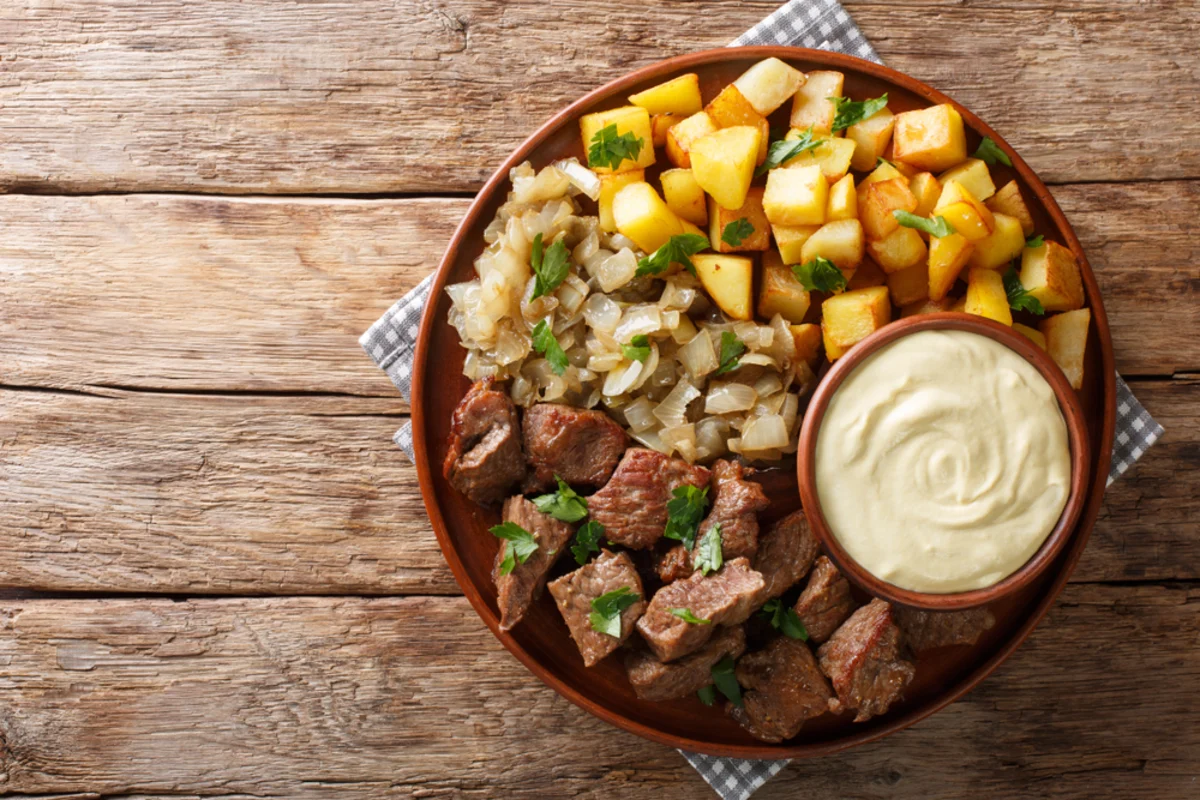
Swedish Beef Hash is the kind of cozy, skillet‑fried comfort food that makes a weeknight feel like a special occasion. Imagine crisp golden potatoes, buttery seared beef tenderloin, and sweet caramelized onions on one plate, finished with a velvety mustard–horseradish cream. It’s simple at heart, but with good ingredients and a little care, it turns into something quietly luxurious.
Because this dish leans savory, salty, and deeply umami, it’s also a dream for wine pairing. The rich beef, butter, and cream call for a wine with enough structure to stand up to the flavors, but not so heavy that it bulldozes the delicate texture of beef tenderloin. In this post, you’ll not only get a reliable, step‑by‑step recipe for Swedish Beef Hash, you’ll also find tailored wine recommendations you can easily source from places like Total Wine, Trader Joe’s, BevMo, or your favorite local shop.
If you love the idea of a rustic Nordic classic elevated with thoughtfully chosen wine, this is your new cold‑weather favorite—and a perfect dish to explore more pairings with tools like Vinomat.
About This Dish
Swedish Beef Hash is inspired by the classic Scandinavian dish pytt i panna, which literally translates to “small pieces in a pan.” Traditionally, it was a clever way to use up bits of leftover roast, boiled potatoes, and vegetables—nothing fancy, just everything chopped small and fried together until crispy and satisfying. Over time, it became a beloved staple across Swedish homes and diners, often served with pickled beets and a fried egg on top.
The version you’re making here leans into the elegant side of that humble concept. Instead of scraps of meat, you’re using beef fillet (tenderloin), one of the most tender cuts available. The components are cooked separately—potatoes crisped in butter, onions slowly caramelized, beef seared hot and fast—then arranged side by side on the plate. The effect is more like a Nordic bistro dish than a leftover skillet.
What really sets this Swedish Beef Hash apart is the mustard and horseradish cream sauce on the side. Dijon mustard brings tang and gentle heat, while freshly grated horseradish gives a nose‑tingling kick that cuts through the butter and cream. Together with the parsley garnish, you get a balance of richness and brightness.
For American home cooks, this dish sits in a sweet spot: familiar enough (potatoes, steak, onions) to feel comforting, but with a Scandinavian twist that makes it feel new. It’s also ideal for exploring wine pairing, because it has:
- Beef and butter for red wine structure
- Cream and mustard that favor good acidity
- Savory, salty, umami flavors that red, white, and even rosé can all play with.
Key Ingredients & Their Role
Swedish Beef Hash is built from just a handful of ingredients, but each one plays a distinct role in the flavor and in choosing the right wine for Swedish Beef Hash.
Beef fillet (tenderloin)
Beef tenderloin is lean, tender, and mild compared to cuts like ribeye or chuck. That means you don’t have heavy fattiness or aggressive beefiness; instead, you get a velvety texture and subtle flavor. For wine pairing, this points you toward medium‑bodied reds with moderate tannins—think Pinot Noir, Rioja Crianza, or a softer Cabernet or Merlot blend—rather than very tannic, high‑alcohol powerhouses.
Potatoes
The potatoes are diced small and fried until golden and crispy in butter. They bring comforting starch, a bit of sweetness as they brown, and lots of texture. Because they absorb seasoning and butter, they dial up the overall richness of the plate. Wines with fresh acidity help keep each bite from feeling too heavy and will refresh your palate between forkfuls of potato and cream.
Onions
Slowly sautéed onions provide sweetness and gentle caramel notes that bridge beautifully with oak‑aged wines. Those soft, browned flavors echo the toasty, vanilla, and baking spice notes you find in many California and French reds. The sweet edge of the onions also softens salty and peppery notes in the dish, making slightly savory wines—like a Chianti or a Washington State red blend—a perfect match.
Butter and cream
Six tablespoons of butter and a cream‑based sauce firmly place this dish in the “rich comfort food” category. Butter coats your palate, and cream adds a silky mouthfeel. To keep that from feeling heavy, you want wines with good acidity and not too much drying tannin. This is where balanced New World Pinot Noir, cooler‑climate Syrah, or even a rich, mineral white like a white Rhône blend or a serious Chardonnay can shine.
Dijon mustard and horseradish
Dijon brings tangy brightness and gentle sharpness, while horseradish contributes a peppery, sinus‑tickling heat. These elements favor wines that are lively and precise, not jammy. Too much residual sugar or heavy oak can clash with mustard’s acidity, so look for dry wines with clean fruit and a savory edge.
Parsley, salt, and black pepper
Fresh parsley adds a green, herbal lift that pairs nicely with wines that have herbal or earthy tones—think Oregon Pinot Noir, Rioja, or a Loire Cabernet Franc. Salt enhances flavor and makes tannins feel smoother, so a slightly more structured red can work here than you might expect with tenderloin alone.
Taken together, this salty, umami‑rich, buttery hash calls for wines with:
- Medium body
- Refreshing but not searing acidity
- Moderate tannins
- Savory, earthy, or lightly spicy notes
Those are the benchmarks to keep in mind when looking for the perfect wine pairing.
Recipe
| Prep Time | 45 minutes |
|---|---|
| Cook Time | 15 minutes |
| Total Time | 60 minutes |
| Servings | 4 |
| Difficulty | Moderate |
Ingredients:
- 500g Beef fillet (Oxfilé)
- 800g Potatoes (firm variety)
- 2 medium Onions
- 6 tbsp Butter (unsalted)
- 3 tbsp (finely chopped) Flat-leaf parsley
- 4 tbsp Dijon mustard
- 2 tbsp Horseradish (fresh, grated)
- 1/2 cup Cream
- To taste Salt
- To taste Black pepper (freshly ground)
Instructions:
- Peel and dice the potatoes into small, evenly sized cubes (~1.5 cm).
- Finely chop the onions and set them aside separately.
- Trim the beef fillet of any excess fat and cut it into evenly sized cubes (~2.5 cm). Pat dry with a paper towel.
- Heat 3 tbsp of butter in a large skillet over medium heat. Add the diced potatoes and sauté until golden brown and crispy, about 15-20 minutes. Stir occasionally and season with salt. Set aside and keep warm.
- In the same skillet, melt 1 tbsp butter and sauté the onions over medium heat until soft and caramelized, about 8-10 minutes. Season lightly with salt and pepper. Set aside and keep warm.
- In a separate pan, heat 2 tbsp of butter over high heat. Add the beef cubes and sear them quickly on all sides (1-2 minutes per side for medium-rare). Season with salt and pepper while cooking.
- In a small saucepan, combine the cream, Dijon mustard, and grated horseradish. Heat gently over low heat, whisking until smooth. Taste and adjust seasoning with salt and pepper. Keep warm.
- For plating, arrange the crispy potatoes, caramelized onions, and seared beef cubes in separate sections on a large plate. Garnish with freshly chopped parsley.
- Serve the mustard and horseradish cream sauce in a small bowl on the side. Enjoy immediately.
Nutrition Facts (per serving):
- Calories: 650 kcal
- Protein: 40.0g
- Fat: 40.0g
- Carbohydrates: 35.0g
- Salt: 2.0g
Dietary Information: Gluten-free, Contains dairy, Nut-free
Perfect Wine Pairings
Because this Swedish Beef Hash balances rich beef, butter, and cream with mustard and horseradish, it’s wonderfully flexible for wine pairing. Here are styles that consistently work well, with ideas you can easily track down at Total Wine, Trader Joe’s, BevMo, or a trusted neighborhood shop.
1. Oregon Pinot Noir – the all‑around favorite
An Oregon Pinot Noir (especially from Willamette Valley) is a standout wine for Swedish Beef Hash. Look for:
- Medium body and silky texture to mirror the tenderness of the beef
- Red fruit (cherry, cranberry) that won’t overwhelm the dish
- Bright acidity to cut through butter, potatoes, and cream
- Earthy and herbal notes that echo the onions and parsley
In the $18–$30 range, many Oregon Pinots offer exactly that balance. At Total Wine or BevMo, ask for a Willamette Valley Pinot with minimal new oak; at Trader Joe’s, look for their reserve‑label Oregon Pinot offerings.
2. California Cabernet Sauvignon or Merlot blend – for bolder palates
If you prefer a bit more power, a softer California Cabernet Sauvignon or a Cabernet–Merlot blend from Napa or Sonoma can still be a perfect match, as long as the tannins are not too aggressive.
Seek out:
- Medium to full body with ripe but not overly jammy fruit
- Rounded tannins (often labeled as “smooth” or “approachable”)
- Subtle oak notes (vanilla, cocoa, baking spice) that dovetail with the caramelized onions and buttery potatoes
In the $15–$25 range, you’ll find plenty of approachable Cabs and blends at BevMo and Total Wine. These wines are especially nice if you like your beef seared just a bit more toward medium.
3. Rioja Crianza or Reserva – Spanish elegance
A Rioja Crianza or Reserva brings a lovely combination of savory red fruit, spice, and gentle oak that plays beautifully with mustard and horseradish.
Look for:
- Tempranillo‑based Rioja labeled Crianza or Reserva
- Flavors of cherry, plum, leather, and subtle dill or coconut from oak
- Fresh acidity that keeps each bite lively
These wines are widely available in the U.S. in the $15–$25 range. They work particularly well if you lean a bit heavier on the mustard–horseradish sauce; the spicy and earthy notes in Rioja echo the sauce without clashing.
4. Elegant white option: Chardonnay or white Rhône blend
If you’re a white‑wine‑first household, you still have excellent options. A structured white with some body can stand its ground against this hash.
Two great directions:
- A Sonoma Coast or Carneros Chardonnay with moderate oak, good acidity, and notes of apple, citrus, and a touch of butter to harmonize with the sauce.
- A white Rhône blend (often based on Marsanne, Roussanne, Grenache Blanc, or Viognier) from France or California, offering stone fruit, florals, and a rounded texture.
Aim for $18–$30 bottles described as “balanced” rather than “buttery and oaky.” These whites are especially good if you serve the dish with a light salad or pickled vegetables to add brightness.
Using Vinomat for dialed‑in pairings
If you want to fine‑tune beyond these broad styles—say, adjusting for how peppery your horseradish is or how rich your cream sauce turned out—apps like Vinomat can help. Plug in details like beef, cream, mustard, and your preferred wine color, and you’ll get a customized wine recommendation list tailored to your taste and what’s available near you.
Cooking Tips & Techniques
Swedish Beef Hash is straightforward, but a few professional touches will help you nail both texture and flavor every time.
- Dry the beef thoroughly. Pat the beef cubes very dry with paper towels before searing. Moisture is the enemy of browning; dry cubes mean better crust and more flavor.
- Use two pans when needed. If your skillet is crowded, the potatoes and beef will steam instead of brown. Don’t be afraid to use a second pan for the beef—that high‑heat, quick sear is key.
- Choose the right potatoes. A firm, waxy or all‑purpose variety (Yukon Gold–style) will hold its shape while crisping. Floury potatoes can break down too much.
- Season in layers. Salt the potatoes as they cook, lightly season the onions, and then season the beef right as it sears. This builds depth instead of a single salty note at the end.
- Control your heat. Medium heat for potatoes and onions prevents burning while allowing the centers to cook through. For beef, crank it up to high; you want quick color without overcooking the interior.
- Don’t rush the onions. Caramelizing onions takes time. Keep them at medium heat, stir occasionally, and let them soften and brown slowly for full sweetness.
- Taste and adjust the sauce. Mustard and horseradish can vary in intensity. Start with the recipe amounts, then taste the warmed sauce and adjust salt, pepper, or an extra spoonful of mustard to your liking.
These small details not only improve the dish on its own, they also make the wine pairing more successful; balanced seasoning and good browning give the wine more flavors to latch onto.
Serving Suggestions
Presentation matters, especially when you’re pouring a nice bottle of wine and turning a rustic recipe into a restaurant‑quality plate.
- Plate in sections. As in the recipe, arrange the beef, potatoes, and onions in neat sections on a wide, warm plate. It looks intentional and lets each diner compose their perfect bite.
- Garnish generously. Finish with plenty of finely chopped flat‑leaf parsley for color and freshness. A few extra grinds of black pepper right before serving add aroma.
- Serve the sauce on the side. Present the mustard–horseradish cream in a small bowl or ramekin so each person can control the intensity. This also makes it easier to experiment with different amounts against your chosen wine.
- Consider classic Nordic touches. If you like, offer a side of sliced pickled beets or a simple cucumber salad. Their acidity and sweetness are fantastic with both the hash and most of the recommended wines.
- Set the table for lingering. Use your larger wine glasses, even for more modest bottles; a bit of swirling space lets aromas open up, which is key for enjoying the nuances in Pinot Noir, Rioja, or Chardonnay.
For a relaxed but elevated feel, serve the hash family‑style in the skillet at the table, with the wine prominently displayed. It turns a simple pan of beef and potatoes into an experience.
Conclusion
Swedish Beef Hash is proof that comfort food and thoughtful wine pairing belong together. With crisp potatoes, tender beef, caramelized onions, and that punchy mustard–horseradish cream, it’s a versatile, crowd‑pleasing recipe that’s easy to dress up with a great bottle.
Whether you reach for an Oregon Pinot Noir, a smooth California Cabernet blend, a nuanced Rioja, or a well‑balanced Chardonnay, you’ll find more than one perfect match for this dish on the shelves at Total Wine, Trader Joe’s, BevMo, or your local shop. And if you want to go one step further, let Vinomat suggest tailored wine for Swedish Beef Hash based on your exact ingredients and preferences.
Pour a glass, heat up your skillet, and enjoy bringing a touch of Swedish coziness—and serious flavor—to your own dinner table.