


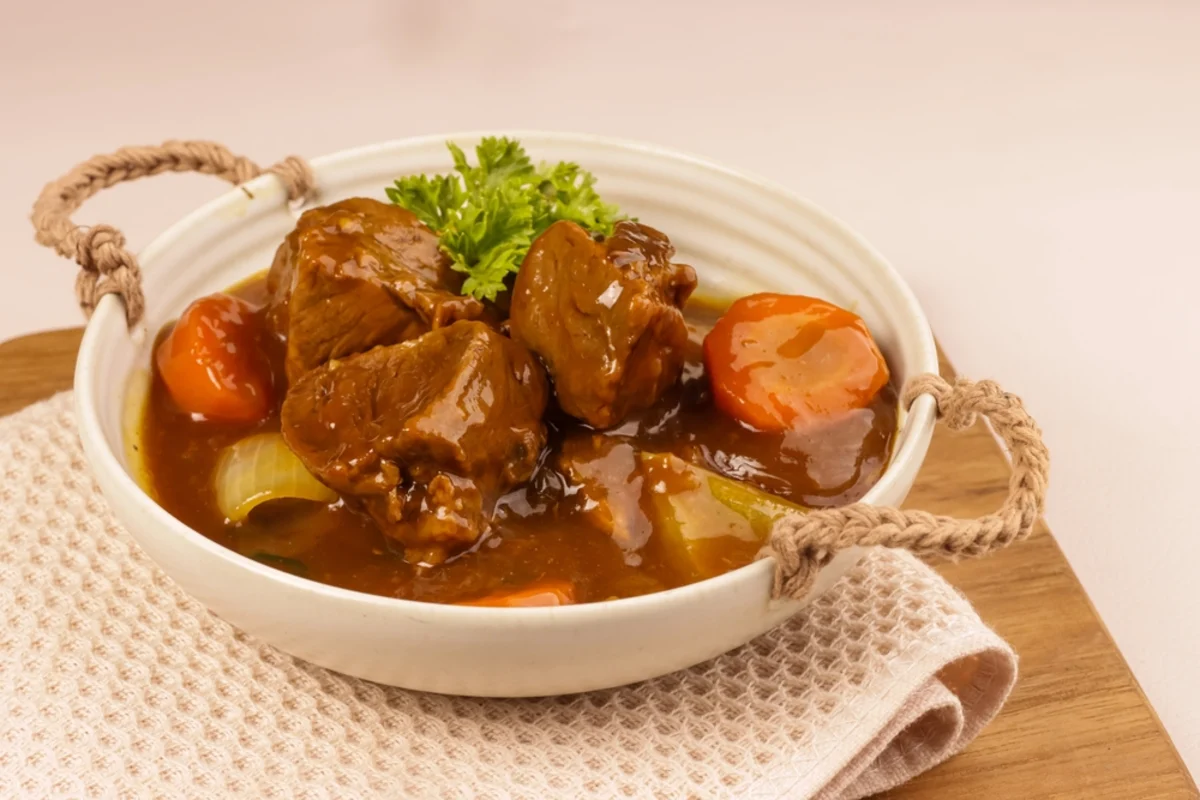
Swedish Beef Stew & Wine Pairing: Cozy Comfort in a Bowl
Introduction
When the weather turns chilly and you’re craving true comfort food, Swedish Beef Stew (often called Kalops in Sweden) is exactly what you want simmering on the stove. Tender beef, sweet carrots, and soft onion in a rich, savory gravy create the kind of cozy aroma that fills the whole house and makes everyone hover near the kitchen.
Unlike many American-style stews that lean heavily on tomato, this Swedish classic is all about salty, umami depth with gentle warmth from spices like allspice and bay leaf. That subtle spice profile makes it especially fun for wine lovers: there are several styles that make a perfect match for this dish, whether you’re shopping at Total Wine, Trader Joe’s, BevMo, or your local wine shop.
In this guide, you’ll get everything you need: an authentic-feeling Swedish Beef Stew recipe, practical wine pairing advice tailored to American wine shelves, cooking tips, and serving ideas. Fire up the stove, open a bottle, and let Vinomat help you find the best wine for Swedish Beef Stew so your next cozy dinner feels effortlessly elevated.
About This Dish
Swedish Beef Stew (Kalops) is a beloved cold‑weather classic in Sweden, traditionally served with simply boiled potatoes and often a side of pickled beets. It’s rustic, straightforward food designed for long winters: inexpensive cuts of beef, onions, and carrots slowly simmered until everything relaxes into a deeply flavored, savory stew.
What sets this dish apart is its Scandinavian flavor profile. Instead of bold herbs and tomato, you’ll find:
- Allspice for gentle warmth and a slightly sweet, clove‑like aroma
- Bay leaves for earthy depth
- Onion and carrot to bring natural sweetness that balances the salt and umami of the beef stock
The result is a stew that’s hearty but not heavy-handed—comforting and familiar, yet just different enough from American beef stew to feel special. The sauce is silky and savory, coating each piece of beef and potato without being overly thick or creamy.
For American home cooks, this recipe is a great way to explore Nordic flavors without hunting down obscure ingredients. Everything here is easy to find at a regular grocery store. Because the seasoning is flavorful but not spicy, it’s also very wine‑friendly, perfect if you like to plan your dinner around a thoughtful wine pairing.
Serve it on a weeknight when you have time to let it simmer, or make it on a Sunday afternoon and reheat it later in the week—the flavors only deepen by the next day. Whether you’re cooking for family or hosting friends, Swedish Beef Stew is the kind of dish that invites everyone to linger at the table with another glass of wine.
Key Ingredients & Their Role
This Swedish Beef Stew is built from a short list of everyday ingredients that each play a specific role in the final flavor and texture. Understanding them will also help you choose the right wine for Swedish Beef Stew.
Beef chuck Beef chuck is a well‑marbled, working muscle from the shoulder that shines in long, slow cooking. As it simmers for a couple of hours, tough connective tissue breaks down into gelatin, giving the stew a silky, mouth‑coating texture and deep umami flavor. That richness calls for wines with enough body and structure—think medium to full‑bodied reds with moderate tannins.
Yellow onion Onions are the backbone of flavor here. Lightly caramelized in butter, they bring subtle sweetness and savory notes that balance the saltiness of the stock. Their sweetness nudges us toward wines with ripe fruit rather than aggressive, green tannins. Think plush New World reds from California or Washington, or a smooth Tempranillo from Spain.
Carrots Carrots add gentle sweetness and color while keeping the stew grounded and rustic. They soften into the sauce, contributing to the stew’s comforting character. That soft, sweet edge makes medium‑bodied reds with red‑fruit flavors (Pinot Noir, Grenache) a natural wine pairing choice.
Butter and flour A small amount of butter and flour creates a light roux that thickens the sauce, turning it into a glossy gravy that clings to the meat and potatoes. This gives the dish a richer mouthfeel, so you want wines with good acidity to cut through that richness and keep each bite feeling balanced.
Beef stock Beef stock reinforces the stew’s umami core. It’s salty, savory, and full of roasted, meaty notes. Wines with a bit of earthiness—like many French or Italian reds—harmonize nicely with these flavors, echoing the stew’s depth instead of fighting it.
Bay leaves and whole allspice Bay leaves and allspice are the quiet heroes of Swedish Beef Stew. Allspice adds warm, slightly sweet spice notes (reminiscent of clove, cinnamon, and nutmeg all at once), while bay provides an herbal, forest‑like aroma. These aromatics pair beautifully with reds that show subtle spice from oak aging, like many Cabernet Sauvignon, Rioja, or Chianti.
Together, these ingredients create a salty, umami‑forward stew with gentle sweetness and warm spice—a combination that invites a wide range of reds, from elegant Pinot Noir to structured Cabernet, making wine pairing both flexible and fun.
Recipe
| Prep Time | 20 minutes |
|---|---|
| Cook Time | 160 minutes |
| Total Time | 180 minutes |
| Servings | 4 |
| Difficulty | Moderate |
Ingredients:
- 800 g Beef chuck (cut into 2-inch cubes)
- 2 Yellow onion (peeled and quartered)
- 3 Carrots (peeled and cut into thick slices)
- 2 tbsp Butter (unsalted)
- 2 tbsp All-purpose flour
- 3 cups Beef stock (or 2 beef stock cubes dissolved in 3 cups water)
- 2 Bay leaves
- 5 Whole allspice
- 1 tsp Salt
- 1/2 tsp Black pepper
- 3 sprigs Fresh parsley (for garnish)
- 800 g Potatoes (peeled and boiled as a side)
Instructions:
- Prepare all ingredients. Cube the beef chuck into 2-inch pieces. Peel and quarter the onions. Peel and cut the carrots into thick slices. Boil and peel the potatoes separately to serve as a side.
- In a large pot, heat the butter over medium heat. Brown the beef cubes in batches to avoid overcrowding and achieve even browning. Remove and set aside.
- In the same pot, add the quartered onions and cook until lightly caramelized, about 5 minutes. Add the flour and stir well to coat the onions and absorb the butter.
- Gradually add the beef stock while stirring to prevent lumps. Bring the mixture to a simmer.
- Return the browned beef to the pot, followed by the sliced carrots, bay leaves, and whole allspice. Season with salt and black pepper.
- Cover and simmer on low heat for 2 to 2.5 hours, stirring occasionally, until the beef is tender and the sauce has thickened.
- Remove the bay leaves and adjust seasoning with salt and pepper if needed.
- Serve the Kalops in a deep serving dish, garnished with fresh parsley. Arrange the boiled potatoes on the side for a complete meal.
Nutrition Facts (per serving):
- Calories: 315 kcal
- Protein: 30.0g
- Fat: 12.0g
- Carbohydrates: 15.0g
- Salt: 1.2g
Dietary Information: Gluten-free, Dairy-free, Nut-free
Perfect Wine Pairings
Swedish Beef Stew is a dream for wine pairing because it’s rich and savory without being spicy or acidic. That gives you a wide lane of options in the $15–$30 range from places like Total Wine, Trader Joe’s, BevMo, and good local shops.
Here’s what to look for in a wine for Swedish Beef Stew:
- Body: Medium to full‑bodied reds stand up best to the beef and gravy.
- Tannins: Moderate tannins are ideal—enough structure for the meat, but not so high that they feel harsh with the salty, umami sauce.
- Acidity: Medium to high acidity keeps each bite feeling lifted and prevents the stew from feeling heavy.
- Flavor profile: Red and black fruits, gentle oak spice, and a touch of earthiness make a perfect match for allspice, bay, and beef.
1. California Cabernet Sauvignon (Napa or Sonoma)
A classic wine recommendation is a California Cab with ripe dark fruit (blackcurrant, blackberry), hints of cedar or vanilla, and firm but polished tannins. It mirrors the stew’s depth and handles the richness of the beef.
- Look for: Napa Valley or Sonoma County Cabernet in the $20–$30 range.
- Where to buy: Widely available at Total Wine and BevMo, and often on the better shelves at larger grocery stores.
- Why it works: The tannins bind beautifully with the beef proteins, while the dark fruit and oak spice echo the stew’s savory, warm notes.
2. Oregon Pinot Noir
If you prefer something more elegant, an Oregon Pinot Noir is a fantastic wine pairing. It’s typically lighter in body than Cabernet but offers vibrant acidity and red‑fruit flavors (cherry, cranberry) that brighten the stew.
- Look for: Willamette Valley Pinot Noir, $18–$28.
- Where to buy: Trader Joe’s often has value Oregon Pinots; Total Wine and local shops offer a broader selection.
- Why it works: The bright acidity cuts through the buttery roux and beef fat, while subtle earthy notes in the wine complement the bay leaf and allspice.
3. Washington State Merlot or Red Blend
Washington produces outstanding value reds with plenty of fruit and structure. A Merlot‑based wine or Bordeaux‑style blend from Columbia Valley is a great wine for Swedish Beef Stew.
- Look for: Columbia Valley Merlot or red blends, $15–$25.
- Where to buy: Common at BevMo and Total Wine, and increasingly at supermarkets.
- Why it works: Plush plum and blackberry fruit, soft tannins, and a touch of spice create a smooth, cozy pairing that mirrors the stew’s comfort factor.
4. Old World Options: French, Italian, and Spanish Reds
If you’re in the mood for European classics, consider:
- French Côtes du Rhône (Grenache‑Syrah‑Mourvèdre blends): Medium‑bodied, red and black fruit, peppery spice—great with the stew’s warm allspice notes.
- Chianti Classico (Italy): Sangiovese brings bright cherry fruit and lively acidity that cut through richness and refresh the palate.
- Rioja Crianza or Reserva (Spain): Tempranillo with red fruit, subtle oak, and gentle spice is a perfect match for the stew’s savory depth.
All three are commonly stocked at Total Wine, Trader Joe’s, and local wine merchants in the $15–$25 range.
Whichever bottle you choose, you can use Vinomat to plug in "Swedish Beef Stew" and instantly see tailored pairing suggestions, plus similar styles if your favorite shop is out of stock.
Cooking Tips & Techniques
A great Swedish Beef Stew is all about patience and a few smart techniques. These tips will help you get that rich, restaurant‑quality result at home.
1. Brown the beef properly Work in batches and give the beef space in the pot. If the pieces are crowded, they’ll steam instead of brown. Deep browning equals deeper flavor in the final stew.
2. Don’t rush the simmer The recipe calls for 2 to 2.5 hours of gentle simmering for a reason. Tough chuck needs time to relax. Keep the heat low so the stew barely bubbles; a hard boil can make the meat tough.
3. Build flavor with the onions Let the onions get lightly caramelized before adding the flour. That bit of color adds sweetness and complexity, rounding out the salty, umami base.
4. Add stock gradually Whisk or stir in the stock slowly after the flour, smoothing out any lumps as you go. This gives you a silky, lump‑free gravy.
5. Season in layers You’ll add salt early, but always taste again at the end. The flavors concentrate as the stew reduces, so final seasoning is key—especially if you’re planning a careful wine pairing, where balance matters.
6. Make it ahead if you can Like many stews, this one tastes even better the next day. The flavors meld, the sauce thickens slightly, and it reheats beautifully—perfect for an easy weeknight dinner with a fresh bottle of wine.
Serving Suggestions
To serve Swedish Beef Stew in true Scandinavian style, ladle the stew into warm, deep bowls and arrange the boiled potatoes on the side or nestled partially into the sauce. A sprinkle of chopped fresh parsley adds color and a light herbal note that brightens the dish.
For a more complete spread:
- Add a simple green salad with a light mustard vinaigrette for freshness.
- Offer crusty bread or a rustic loaf to mop up the sauce.
- If you can find them, serve with pickled beets or pickled cucumbers to add a tangy, sweet‑sour contrast that works beautifully with both stew and wine.
Set the table with your wine glasses ready and the bottle slightly cool (cellar temperature for reds—about 60–65°F). Pour small tastes first so everyone can notice how the wine changes with the salty, umami‑rich stew. This is a great dish to encourage guests to talk about what they like in a wine pairing: do they prefer the brighter lift of Oregon Pinot Noir or the deeper, darker fruit of a California Cabernet?
If you’re unsure which bottle to open, use Vinomat to compare options you can find at Total Wine, Trader Joe’s, BevMo, or your local shop. You’ll get a quick wine recommendation tailored to Swedish Beef Stew so you can serve dinner with confidence.
Conclusion
Swedish Beef Stew is everything cozy cooking should be: simple ingredients, slow simmering, and big, satisfying flavor. With its salty, umami‑rich gravy, tender beef, and sweet carrots, it’s also a surprisingly flexible partner for red wine—and a perfect excuse to explore new bottles.
Whether you reach for a Napa Cabernet, an Oregon Pinot Noir, a Washington red blend, or a classic European bottle, there’s no single "best" wine for Swedish Beef Stew—just the perfect match for your taste and your pantry. Let Vinomat guide your next wine pairing so you can focus on what matters most: a warm bowl, a good glass, and a table full of happy people.