


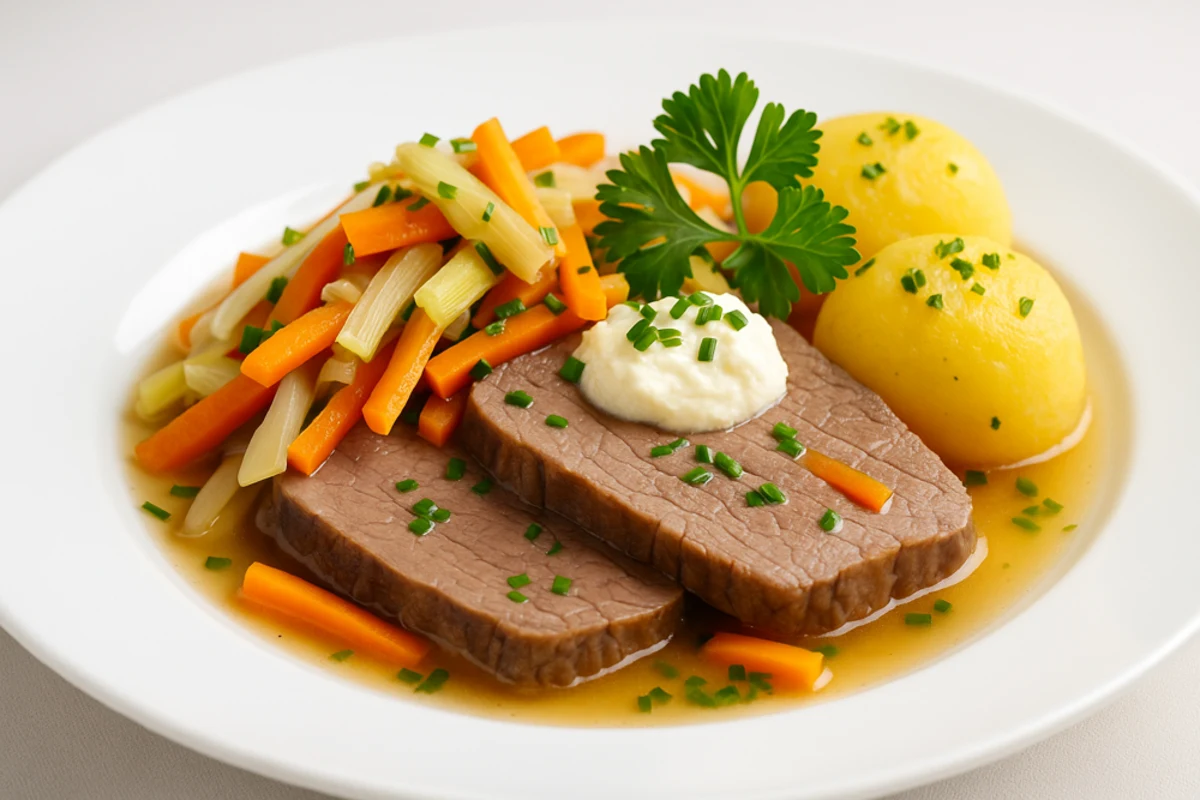
Tafelspitz Recipe & Wine Pairing Guide for American Home Cooks
Tafelspitz: Austria's Timeless Comfort Classic and Your Guide to Perfect Wine Pairing
There's something deeply satisfying about a dish that has graced royal tables for centuries and still feels like home cooking. Tafelspitz, Austria's beloved national treasure, is exactly that—a testament to the power of simplicity, quality ingredients, and time-honored technique. Whether you're planning an impressive dinner party or simply want to expand your culinary horizons, this classic boiled beef dish offers an opportunity to explore sophisticated flavors and discover exceptional wine pairings that will transform your dining experience.
What makes Tafelspitz particularly exciting for American home cooks is how it bridges Old World tradition with modern entertaining. It's elegant enough for special occasions, yet approachable enough for a relaxed weekend dinner. And when you discover the right wine pairing, you unlock another dimension of flavor that makes the entire meal memorable. In this guide, we'll walk you through everything you need to know about preparing authentic Tafelspitz, understanding its cultural significance, and most importantly, finding the perfect wine to complement this magnificent dish.
About This Dish: A Taste of Vienna's Culinary Heritage
Tafelspitz holds a special place in Austrian cuisine—it's the kind of dish that tells a story about a nation's values and traditions. The name itself comes from "Spitz," the German word for "tip," referring to the prime cut from the tip of the beef hindquarter. This particular cut became legendary thanks to Emperor Franz Joseph I, who famously favored Tafelspitz above all other dishes. His preference elevated this humble preparation to iconic status, making it the cornerstone of Viennese cuisine.
What's remarkable about Tafelspitz is its philosophy: it celebrates the quality of the beef itself rather than masking it with heavy sauces or complex preparations. The meat is gently simmered with aromatic vegetables and subtle spices until it becomes incredibly tender, while the cooking liquid transforms into a rich, flavorful broth. This is comfort food elevated to an art form—nourishing, satisfying, and undeniably delicious.
In Austria, Tafelspitz represents more than just a recipe; it embodies a cultural approach to eating that emphasizes quality over quantity, tradition over trends, and the joy of gathering around a table with loved ones. When you prepare Tafelspitz at home, you're participating in a centuries-old tradition that continues to resonate with food lovers worldwide.
For American diners, Tafelspitz offers an exciting departure from typical beef preparations. Rather than grilling or roasting, the gentle simmering method creates an incredibly tender result with a delicate, refined flavor profile. It's particularly appealing for those who appreciate Old World European cuisine and want to explore wine pairing possibilities beyond the typical steakhouse experience.
Key Ingredients & Their Role: Understanding the Foundation
The beauty of Tafelspitz lies in how each ingredient plays a specific, essential role in creating the final dish. Understanding these components will help you appreciate why this wine pairing works so well.
The Beef: The star of the show is the Tafelspitz cut itself—a lean, flavorful portion from the beef hindquarter. This particular cut is ideal for simmering because its medium-to-long muscle fibers break down beautifully during the slow cooking process, resulting in tender, succulent meat. The quality of your beef matters significantly here; look for well-marbled, fresh beef from a reputable butcher. The beef's mild, refined flavor is what makes it such a versatile partner for wine pairing.
Root Vegetables: Carrots, celery root, and parsnips form the aromatic backbone of this dish. As they simmer in the broth, they release subtle sweetness and earthy notes that complement the beef beautifully. These vegetables also contribute body and depth to the cooking liquid, creating a broth that's complex enough to serve as a standalone soup course. Their gentle flavors won't overpower delicate wine pairings.
Charred Onions: Here's a technique detail that matters—the onions are halved and charred in a dry pan before adding to the pot. This caramelization creates depth and a subtle sweetness that balances the savory elements. The charred exterior adds visual appeal and a hint of complexity without introducing harsh flavors.
Horseradish Cream: This traditional accompaniment brings a bright, peppery kick that cuts through the richness of the beef and broth. Fresh horseradish has a clean, assertive heat that awakens the palate and actually enhances wine appreciation by clearing the mouth between bites.
Potatoes: Waxy potatoes are boiled separately and served alongside the meat. They provide a starchy, comforting element that grounds the meal and absorbs the flavorful broth beautifully.
Broth & Spices: The cooking liquid becomes infused with beef stock, bay leaves, and peppercorns, creating a delicate but flavorful foundation. This broth is often served as a first course, making it an important element in your overall wine pairing strategy.
Recipe
| Prep Time | 150 minutes |
|---|---|
| Cook Time | 30 minutes |
| Total Time | 180 minutes |
| Servings | 4 |
| Difficulty | Moderate |
Ingredients
- 1.2 kg Beef (Tafelspitz cut)
- 3 medium-sized, peeled and sliced into sticks Carrots
- 1 small, peeled and sliced into sticks Celery root
- 1 medium-sized, cleaned and sliced into strips Leek
- 2 medium-sized, halved and charred Onions
- 600 g, peeled Potatoes (waxy variety)
- 2 tbsp, finely chopped Chives
- 2 tbsp, finely grated Fresh horseradish
- 1 tbsp Butter
- 2 tbsp Cream
- to taste Salt
- to taste Black pepper
- 2 (or 2 tbsp beef stock) Beef stock cubes
- 3 liters Cold water
- for garnish Parsley
Instructions
- Prepare the vegetables: Peel and slice the carrots and celery root into sticks, clean and cut the leek into strips. Halve the onions and char the cut sides in a dry pan.
- Rinse the Tafelspitz under cold water and place it into a large pot. Add the cold water and bring to a boil over medium heat, skimming off any foam that forms on the surface.
- Reduce the heat to low, add the charred onions, prepared vegetables, and beef stock cubes to the pot. Simmer gently for about 2.5 hours, until the meat is tender.
- While the beef cooks, prepare the potatoes: Boil the peeled potatoes in salted water for about 20 minutes, or until tender. Drain and keep warm.
- For the horseradish cream, melt the butter in a small saucepan over low heat, then mix in the cream and grated horseradish. Heat gently for 1–2 minutes and season with salt and pepper to taste.
- When the beef is cooked, remove it from the pot and slice it against the grain into thick slices. Strain the broth and keep warm.
- Plate the dish: Arrange slices of Tafelspitz on a plate with a portion of the boiled potatoes and cooked vegetables. Ladle some broth around the meat.
- Garnish with a dollop of horseradish cream, sprinkle finely chopped chives over the dish, and add parsley for decoration. Serve warm.
Nutrition Facts (per serving)
- Calories: 420 kcal
- Protein: 32.0g
- Fat: 15.0g
- Carbohydrates: 33.0g
- Salt: 2.5g
Dietary Information
Gluten-free, Contains dairy, Nut-free
Perfect Wine Pairings: Elevating Your Tafelspitz Experience
Finding the right wine pairing for Tafelspitz is where this classic dish truly shines. The gentle, refined flavors of the beef and the subtle earthiness of the root vegetables create a canvas for some genuinely exciting wine recommendations. The key is selecting wines that won't overpower the delicate meat but will instead complement and enhance its natural qualities.
Why Wine Pairing Matters with Tafelspitz: Unlike heavily sauced or spiced dishes, Tafelspitz's success depends on the quality and subtlety of its components. The wine you choose should respect this philosophy—it should be elegant, well-balanced, and complex enough to hold its own against the savory broth and tender beef.
Oregon Pinot Noir: This is perhaps the most versatile choice for Tafelspitz, and for good reason. Oregon Pinot Noirs offer medium body with bright acidity and silky tannins that complement lean beef beautifully. The wine's earthy undertones echo the root vegetables in your dish, while its subtle cherry and mushroom notes create a harmonious dialogue with the horseradish cream. Look for producers from the Willamette Valley—these tend to offer excellent value ($18-28) and are readily available at Total Wine and most specialty shops. The acidity cuts through the richness of the broth without overwhelming the palate.
California Pinot Noir: Don't overlook California options, particularly from Sonoma Coast or Santa Barbara. These tend to be slightly riper and fuller-bodied than their Oregon counterparts, with more pronounced red fruit notes. A California Pinot Noir ($20-35) pairs beautifully with Tafelspitz, especially if you prefer wines with a bit more weight and presence. The wine's structure stands up well to the beef while remaining elegant enough not to dominate.
French Burgundy (Pinot Noir): If you're looking to invest a bit more, a lighter-bodied French Burgundy represents the pinnacle of Pinot Noir elegance. These wines have incredible complexity and finesse that truly honors the Tafelspitz tradition. Expect to spend $25-45, but the sophistication is worth it. Many wine shops and Total Wine carry accessible Burgundy options from lesser-known villages that offer exceptional quality without the premium Côte d'Or prices.
Italian Barbera or Nebbiolo: For those wanting to explore beyond Pinot Noir, Italian wines offer compelling alternatives. A Barbera from Piedmont brings bright acidity, moderate tannins, and an almost peppery quality that plays beautifully with the horseradish cream. Nebbiolo, if you can find it at a reasonable price ($20-30), offers more structure and complexity. These wines are often available at specialty wine shops and through Trader Joe's wine selection, which has significantly improved its Italian offerings.
Spanish Tempranillo: Don't overlook Spanish options, particularly from Rioja or Ribera del Duero. These wines offer excellent value ($15-25) and surprising versatility with Tafelspitz. The wine's balance of acidity and tannins, combined with its subtle oak aging, creates a sophisticated pairing that feels both modern and respectful of tradition.
When selecting your wine pairing, consider using a tool like Vinomat, which can help you explore these options and discover specific bottles available in your area. The app's pairing recommendations take the guesswork out of wine selection, making it easy to find the perfect match for your Tafelspitz dinner.
Cooking Tips & Techniques: Mastering the Method
While Tafelspitz might seem straightforward, several techniques will help you achieve restaurant-quality results at home.
Start with Cold Water: This is crucial. Beginning with cold water and bringing it to a boil together with the beef allows the meat to release impurities gradually, which you'll skim away. This results in a clearer, more refined broth. Never start with boiling water, as this will seal the meat's surface too quickly.
Skim Regularly: During the first 15-20 minutes of cooking, foam and impurities will rise to the surface. Skim these away with a spoon or fine mesh strainer. This step is what separates a murky broth from a clear, beautiful one.
Maintain a Gentle Simmer: The most common mistake is cooking Tafelspitz at too high a temperature. A rolling boil will result in tough, stringy meat. Maintain a gentle simmer—the surface should barely move. This low-and-slow approach is what creates the incredibly tender texture.
Add Vegetables at the Right Time: While some recipes add all vegetables at the beginning, many traditional preparations add them in stages. Adding heartier vegetables like carrots and celery root early allows them to fully infuse the broth, while adding delicate vegetables like leeks near the end preserves their texture and fresh flavor.
Invest in Quality Beef: This dish truly shines only with high-quality beef. Visit a good butcher and ask for Tafelspitz or a comparable cut like top round sirloin. The difference in flavor is substantial and worth the extra cost.
Slice Against the Grain: When slicing the finished beef, always cut against the grain. This shortens the muscle fibers and ensures maximum tenderness in each bite.
Serving Suggestions: Creating the Complete Experience
Tafelspitz is traditionally served as a multi-course experience, which is perfect for dinner parties and special occasions.
The First Course: Begin with the strained broth as a delicate soup course, perhaps garnished with thin noodles, liver dumplings, or a simple egg frittata. This prepares the palate and builds anticipation for the main course. Serve in warm bowls with crusty bread.
The Main Course: Arrange the sliced beef on warm plates with the boiled potatoes and vegetables. Ladle some of the warm broth around (not over) the meat to maintain its texture. Top with a generous dollop of horseradish cream and sprinkle with fresh chives and parsley. The presentation should be elegant but understated—let the quality of the ingredients speak for itself.
Bread and Accompaniments: Serve with warm, crusty bread for soaking up the broth. Traditionally, toasted bread spread with bone marrow is offered as an optional luxury.
Setting the Table: This is a dish that deserves proper presentation. Use warm plates, quality glassware for your wine pairing, and fresh flowers or simple table decorations. The meal should feel special and intentional.
Timing: Plan for about 3 hours total from start to finish, with most of that being passive cooking time. This is perfect for weekend entertaining when you can prepare vegetables in advance and let the oven do the work.
Conclusion: Discover Your Perfect Tafelspitz Wine Pairing
Tafelspitz represents everything that's wonderful about European cuisine—respect for ingredients, time-honored technique, and the understanding that the best meals are those shared with others. This classic Austrian dish deserves a wine pairing that honors its heritage while elevating your entire dining experience.
Whether you choose a silky Oregon Pinot Noir, an elegant California option, or venture into Italian or Spanish territory, the key is selecting a wine that complements rather than competes with your Tafelspitz. The perfect wine pairing transforms a delicious meal into a memorable occasion, creating harmony between food and drink that lingers long after dinner ends.
As you prepare this dish at home, consider using Vinomat to explore wine options available in your area and discover specific recommendations tailored to your preferences. The app makes finding the perfect wine pairing simple and enjoyable, taking the intimidation out of wine selection.
So gather your ingredients, invite friends or family to your table, and experience the timeless appeal of Tafelspitz paired with a wine that sings. This is cooking that matters—cooking that nourishes both body and soul.