


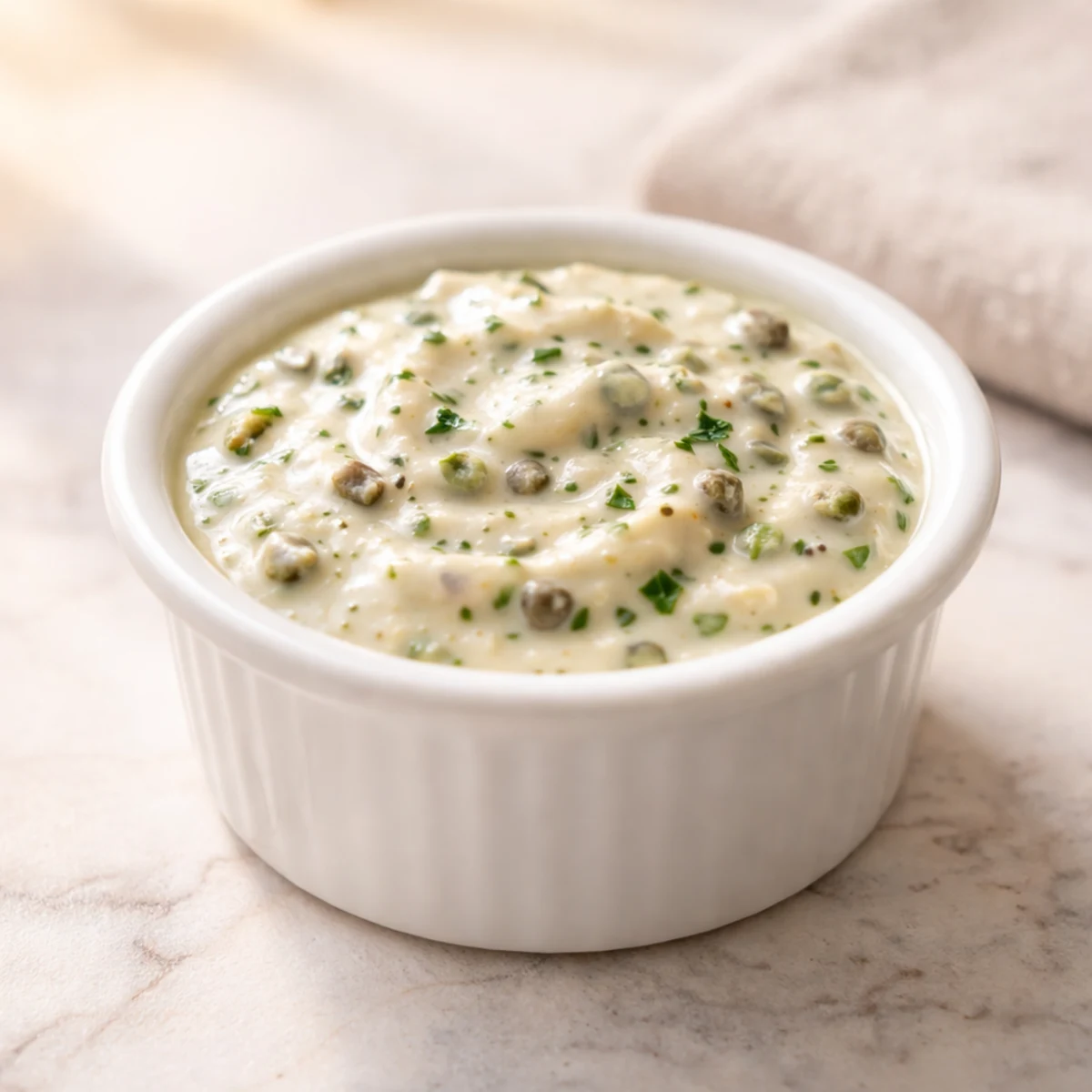
Tartar Sauce Wine Pairing: Best Wines for This Tangy Classic
Introduction
Tartar sauce is one of those quietly brilliant condiments that can turn a simple plate of fish and chips, crab cakes, or fried shrimp into something memorable. Creamy, tangy, briny, and just a little zippy, it brings a bright contrast that wakes up crispy seafood and rich fried foods alike. While many people think of tartar sauce as a side note, it actually plays a big role in the overall dining experience—and that makes it a surprisingly fun subject for wine pairing.
If you’ve ever wondered about the best wine for Tartar Sauce, the answer depends on balance. You want a wine that can handle the sauce’s creamy body, cut through its richness, and play nicely with the pickled, salty notes from capers and gherkins. The right wine pairing can make the whole dish feel fresher, cleaner, and more refined. In this recipe and pairing guide, we’ll explore what makes tartar sauce special, how to make it at home, and which wines are the perfect match for this classic American favorite.
About This Dish
Tartar sauce has a long and slightly mysterious history, but its modern identity is firmly rooted in the seafood traditions of Europe and North America. The name is often linked to French cuisine, where sauces built on mayonnaise, herbs, and pickled ingredients became popular as elegant accompaniments to fried or poached fish. Over time, tartar sauce traveled across the Atlantic and found a permanent place in American food culture, especially as seafood became more widely enjoyed in casual dining, diners, and coastal kitchens.
What makes tartar sauce so beloved is its contrast. It is creamy but sharp, rich but refreshing. The mayonnaise provides body and smoothness, while capers add salinity and a burst of briny intensity. Gherkins bring sweetness, acidity, and crunch, giving the sauce its signature tangy profile. When balanced well, tartar sauce doesn’t overpower the main dish—it lifts it.
That balance is exactly why tartar sauce is such an interesting subject for wine pairing. A great wine recommendation needs to respect both the sauce and the food it accompanies. Too much oak can feel heavy, too much tannin can taste bitter next to fried food, and too little acidity can make the pairing fall flat. The best wine for Tartar Sauce tends to be bright, crisp, and refreshing, with enough character to stand up to the sauce without overshadowing it.
Key Ingredients & Their Role
At first glance, tartar sauce looks simple, but each ingredient plays a specific role in building flavor and texture. Understanding those roles not only helps you make a better recipe, it also makes wine pairing much easier.
Mayonnaise is the foundation. It gives tartar sauce its creamy texture and mild richness, creating the smooth base that carries the other flavors. Because mayonnaise is fat-forward, it softens sharp edges and coats the palate. In wine pairing terms, that means you want acidity in the glass to keep the sauce from feeling too heavy.
Capers bring a salty, floral, briny punch. They add depth and a savory edge that keeps the sauce from tasting one-dimensional. Capers can make a wine taste more vibrant, which is why crisp whites often work so well as a wine for Tartar Sauce.
Gherkins contribute the tangy, pickled note that many people associate with classic tartar sauce. They brighten the sauce and add a subtle sweetness beneath the acidity. This is an important clue for wine recommendation: wines with fresh fruit, high acidity, and minimal sweetness usually complement the pickle-like character beautifully.
Optional additions such as lemon juice, fresh dill, parsley, or a touch of Dijon mustard can add even more lift and complexity. Lemon reinforces freshness, herbs bring an aromatic layer, and mustard can sharpen the overall profile. Together, these ingredients create a sauce that is creamy, tangy, and layered—ideal for pairing with wines that are clean, lively, and food-friendly.
Recipe
Tartar Sauce Recipe
Prep Time: 10 minutes Cook Time: 0 minutes Total Time: 10 minutes Servings: 8 Difficulty: Easy Cuisine: American / Seafood Condiment
Ingredients
- 1 cup mayonnaise
- 2 tablespoons capers, drained and finely chopped
- 2 tablespoons gherkins, finely chopped
- 1 tablespoon fresh lemon juice
- 1 tablespoon fresh dill, finely chopped
- 1 teaspoon Dijon mustard
- 1 teaspoon finely minced shallot, optional
- 1/4 teaspoon black pepper
- Pinch of salt, to taste
Instructions
- In a medium bowl, combine the mayonnaise, chopped capers, chopped gherkins, lemon juice, dill, Dijon mustard, and shallot if using.
- Stir until evenly mixed and creamy.
- Season with black pepper and a small pinch of salt. Taste before adding more salt, since capers already bring plenty of salinity.
- Cover and refrigerate for at least 15 minutes before serving to let the flavors meld.
- Serve chilled with fried fish, crab cakes, shrimp, oysters, or roasted potatoes.
Nutrition Facts
Per serving, approximate:
- Calories: 120
- Fat: 12g
- Saturated Fat: 2g
- Carbohydrates: 1g
- Sugar: 0g
- Protein: 0g
- Sodium: 180mg
Dietary Information
- Vegetarian: Yes
- Gluten-Free: Yes
- Dairy-Free: Yes
- Egg-Free: No
- Vegan: No
- Low-Carb / Keto-Friendly: Yes
Perfect Wine Pairings
When it comes to wine pairing with tartar sauce, the goal is to match the sauce’s creamy texture while cutting through its richness and amplifying its tangy, briny notes. Because tartar sauce often appears with fried or roasted seafood, the wine also needs enough acidity to refresh the palate after each bite. The best wine for Tartar Sauce is usually crisp, light- to medium-bodied, and not overly oaky.
1. California Sauvignon Blanc
A bright Sauvignon Blanc from California—especially from Napa or Sonoma—can be a smart, crowd-pleasing wine recommendation. Look for citrus, green apple, and fresh herb notes, with lively acidity and little or no heavy oak. That freshness mirrors the lemon and dill in the sauce while cutting through the mayonnaise base. In the U.S., you can easily find good bottles at Total Wine, Trader Joe’s, BevMo, and local wine shops, often in the $15–30 range.
2. Oregon Pinot Gris
Oregon Pinot Gris is one of the best value-friendly options for this pairing. It usually has a rounder texture than Sauvignon Blanc, but still enough acidity to keep things lively. Its pear, apple, and subtle citrus notes work beautifully with the creamy, tangy profile of tartar sauce. If you’re serving fish and chips or crab cakes, this can feel like a very natural perfect match.
3. Washington State Riesling
For a slightly more aromatic wine pairing, Washington State Riesling is an excellent choice. A dry or off-dry style offers fresh acidity, stone fruit, and floral lift, which can soften the saltiness of capers and the sharpness of pickles. Just be careful not to go too sweet; you want brightness, not dessert-level sugar. This is a great wine for Tartar Sauce when the seafood is lightly fried or seasoned with herbs.
4. French Muscadet or Spanish Albariño
If you want an Old World option, Muscadet from France or Albariño from Spain are outstanding with tartar sauce. Muscadet brings lean minerality and citrus-driven freshness, while Albariño adds saline, zesty energy that echoes the briny capers. Both are especially good with oysters, fried cod, or shrimp. These wines are widely available through specialty retailers and larger chains, and they often deliver excellent quality for the price.
What to Look For
For any wine pairing with tartar sauce, prioritize:
- High acidity
- Light to medium body
- Minimal oak
- Citrus, green apple, pear, or stone fruit flavors
- Crisp, clean finish
Avoid heavily oaked Chardonnay, high-tannin reds, or overly sweet wines, which can clash with the sauce’s tang and make the dish feel heavier. If you’re unsure where to start, Vinomat can help you narrow down the perfect match based on the exact seafood dish you’re serving.
Cooking Tips & Techniques
The best tartar sauce is all about balance and restraint. First, chop the capers and gherkins finely so the texture stays smooth and spoonable. Large chunks can overwhelm the sauce and make it harder to spread evenly over seafood. Second, taste as you go. Capers are naturally salty, so you may need less added salt than you expect.
A common mistake is adding too much lemon juice or too much mustard at once. Both ingredients are helpful, but if overused, they can push the sauce into harsh territory instead of bright, rounded flavor. Start small, mix, and adjust after the sauce rests for a few minutes. That resting time matters because the flavors meld and mellow as they chill.
For a more refined result, use a high-quality mayonnaise. Since mayo is the base of the recipe, its flavor will shape the final sauce. If you want extra freshness, add herbs at the end so they stay vibrant. And if you’re planning a wine pairing, remember that the sauce should support the seafood, not dominate it. A lighter hand usually leads to a better plate—and a better glass.
Serving Suggestions
Tartar sauce shines when served cold or lightly chilled alongside hot, crisp food. It’s a classic with fried fish, but it also works beautifully with crab cakes, shrimp, calamari, baked white fish, salmon cakes, and even roasted potatoes. For a more elevated presentation, spoon it into a small ramekin and garnish with a sprinkle of fresh dill or a thin lemon twist.
If you’re hosting, think about texture and contrast. A plate of crunchy fish, a bright green salad, and a glass of chilled wine creates a relaxed but polished meal. For a casual American seafood night, serve tartar sauce with fries, coleslaw, and a crisp white wine. For a more elegant dinner, pair it with seared scallops or oysters and a mineral-driven bottle from France or Spain.
This is also a great chance to use Vinomat to explore wine pairing ideas based on your exact meal. Whether you’re shopping at Total Wine, Trader Joe’s, BevMo, or your local wine shop, there are plenty of affordable bottles that can turn a simple dinner into something special.
Conclusion
Tartar sauce may be a humble condiment, but it has real pairing power. Its creamy, tangy, briny personality makes it a fascinating partner for crisp white wines and mineral-driven styles. Whether you choose a California Sauvignon Blanc, an Oregon Pinot Gris, or a Spanish Albariño, the right wine pairing can bring out the best in both the sauce and the seafood it accompanies.
If you’ve been looking for a fresh wine recommendation for your next fish fry or seafood dinner, this is a great place to start. Try the recipe, pour a chilled glass, and see how a simple sauce can become the star of the table. And when you want a smarter way to find the perfect match, Vinomat is there to help you discover your next favorite pairing.