


Toad in the Hole Recipe with Perfect Wine Pairings
Toad in the Hole Recipe: A Cozy Classic with Smart Wine Pairings
If you love hearty comfort food and a good glass of wine, this toad in the hole recipe is about to become a cold-weather favorite. Golden sausages baked into a crisp, puffed Yorkshire pudding batter, served with mustard and gravy, are exactly the kind of dish that begs for a thoughtful wine pairing. In this guide, we’ll walk through an authentic toad in the hole recipe, show you how to nail the texture every time, and recommend accessible wines from places like Total Wine, Trader Joe’s, and BevMo that turn this humble British classic into a dinner party star.
About This Dish
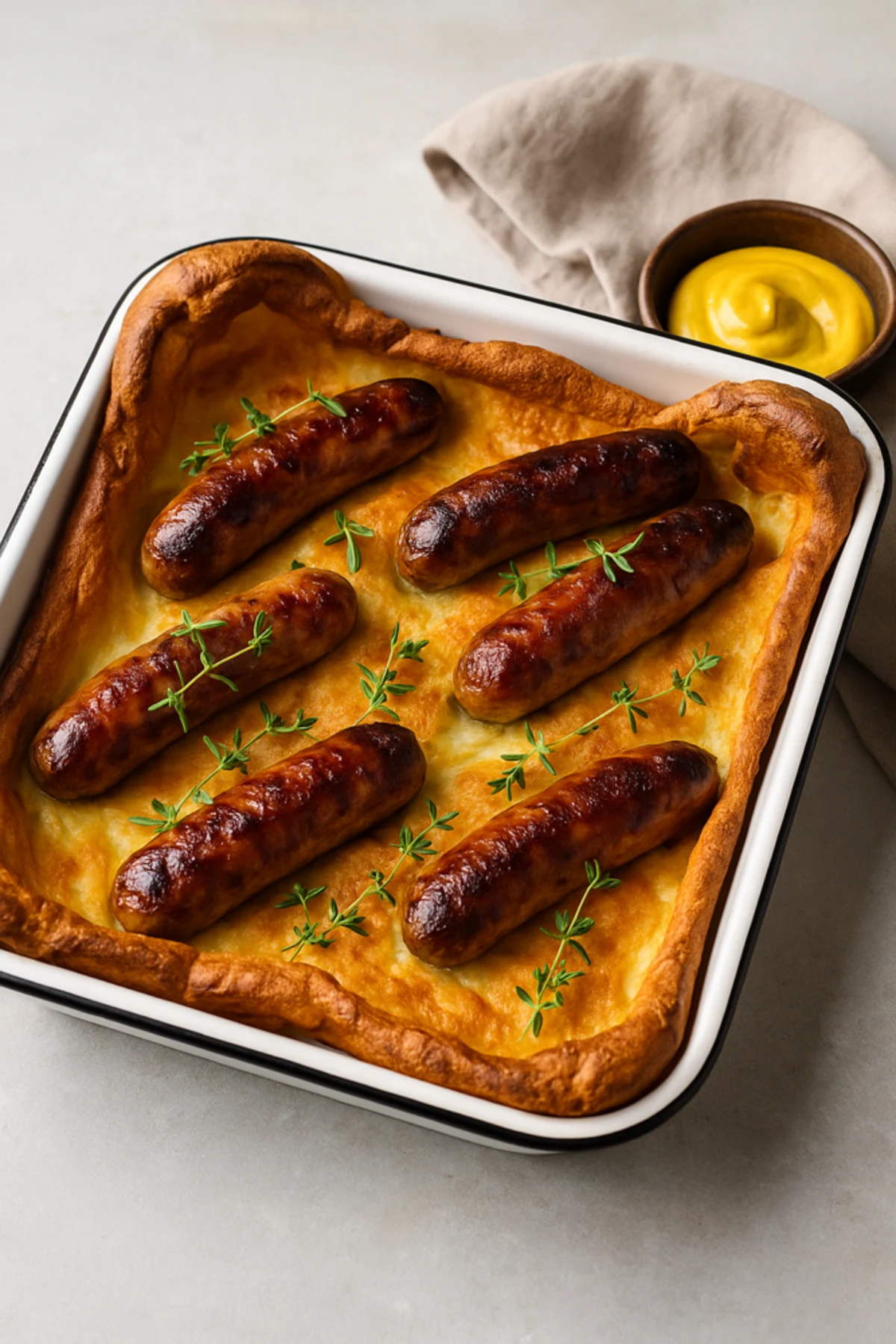
Toad in the Hole is a traditional British comfort food: pork sausages roasted in a sizzling-hot pan of Yorkshire pudding batter (a simple mix of eggs, flour, and milk), baked until puffed, crisp at the edges, and custardy in the center. Unlike the American “egg-in-a-hole” toast some people also call “toad in a hole,” this version is all about sausages and savory batter, more like a rustic casserole than breakfast.
Yorkshire pudding itself dates back to the 18th century, when cooks baked batter beneath spit-roasted meat to catch drippings and stretch a small amount of meat into a filling meal. Adding sausages directly into the batter turned it into a one-pan dish that was affordable, comforting, and big on flavor.
For U.S. home cooks, a toad in the hole recipe USA–style simply means adapting to the sausages and flours you already have on hand, dialing in oven temperature in Fahrenheit, and pairing it with wines readily available at local shops. The rich, savory flavors, browned edges, and hint of spice from the sausages make it ideal for red wines with juicy fruit and moderate tannins.
You might have seen versions like the toad in the hole recipe Jamie Oliver makes on TV—rustic, bubbly, and deeply golden. This guide follows that same spirit: simple ingredients, plenty of flavor, and a focus on making it work in an American kitchen, with wine pairings that feel just as approachable as the dish itself.
Key Ingredients & Their Role
A great toad in the hole recipe relies on just a few pantry staples, so each ingredient needs to pull its weight in both flavor and texture.
Sausages
The “toads” are pork sausages—traditionally British-style bangers—but in the U.S. you can use:
- Mild or medium pork breakfast sausages (links)
- Fresh Italian sausages (sweet or mild, not hot)
- Chicken or turkey sausages for a lighter version
As they roast in hot oil, the sausages brown, render fat, and create a deeply savory base that flavors the batter. Their salt, fat, and gentle spice are exactly what calls for a medium-bodied red wine with good acidity to cut through richness.
Yorkshire Pudding Batter
Yorkshire pudding is a simple mix of eggs, milk, flour, and salt. The magic is in the method:
- Eggs provide structure and lift.
- Milk adds tenderness and a slight sweetness.
- All-purpose flour gives body to the batter.
- Salt wakes up all the flavors.
Poured into a screaming-hot pan with hot fat, the batter steams and puffs, creating a crisp, almost shell-like exterior and a soft, custardy interior. That mix of textures is heavenly with wines that offer freshness and bright fruit—think Pinot Noir or Côtes du Rhône.
Oil or Fat
You need an oil that can handle high heat:
- Neutral vegetable or sunflower oil is classic.
- Beef drippings or bacon fat add extra savoriness if you have them.
The hot fat is non-negotiable—it’s what gets the bottom of the batter crisp and encourages maximum rise.
English Mustard & Condiments
Sharp English mustard or Dijon on the side cuts through the richness and accents the sausage’s spice. A simple onion gravy is traditional and brings sweet, caramelized flavors that mirror the toasty notes in oak-aged red wines.
When thinking wine pairing, remember: fat, salt, and umami (from sausages and gravy) love acidity, fruit, and moderate tannins. That’s the backbone of every wine recommendation later in this guide.
Toad in the Hole Recipe (Serves 4)
This toad in the hole recipe guide is tailored for U.S. kitchens: standard sausage packs, all-purpose flour, and Fahrenheit temperatures.
At a Glance
- Servings: 4
- Prep Time: 10 minutes
- Rest Time (optional but recommended): 20–30 minutes
- Cook Time: 40–45 minutes
- Total Time: 55–65 minutes
- Difficulty: Easy–Moderate (technique-sensitive but simple ingredients)
Ingredients
For the sausages and pan:
- 2 tablespoons neutral oil (vegetable, canola, or sunflower)
- 8 pork sausages (about 1 lb total), preferably thick, mild or medium
For the Yorkshire pudding batter:
- 1 1/4 cups (150 g) all-purpose flour
- 1/2 teaspoon kosher salt
- 3 large eggs
- 1 cup (240 ml) whole or 2% milk
- 1/4 cup (60 ml) water
To serve:
- English mustard or Dijon mustard
- Onion gravy (homemade or store-bought), optional
- Steamed or roasted vegetables, mashed potatoes, or green salad
Step-by-Step Instructions
- Preheat the oven & pan
- Preheat your oven to 425°F.
- Place a metal 9×13-inch roasting pan (or similar) on the middle rack while the oven heats. Metal conducts heat better than ceramic and will help the batter rise.
- Start the sausages
- Once the oven is hot, carefully remove the pan and add the 2 tablespoons oil, tilting to coat the bottom.
- Add the sausages, roll them in the hot oil, and return the pan to the oven.
- Roast for 10–12 minutes, turning once, until the sausages are starting to brown and the fat is sizzling.
- Make the batter
- While the sausages cook, whisk together the flour and salt in a medium bowl.
- Add the eggs and whisk until you have a very thick, smooth paste (no lumps). This step is key for structure.
- Gradually pour in about one-third of the milk, whisking smooth, then whisk in the remaining milk and the water until you have a smooth, pourable batter, similar to heavy cream.
- For best results, let the batter rest 20–30 minutes at room temperature (this relaxes gluten and improves rise), though you can skip resting if you’re in a rush.
- Crank the heat & get the pan screaming hot
- After the sausages have browned for 10–12 minutes, increase the oven temperature to 450°F.
- Leave the pan with sausages inside so the oil becomes very hot—this takes about 5 minutes.
- Add the batter (quickly!)
- Working fast, carefully pull the hot pan from the oven and place it on the stovetop. You should see shimmering, almost smoking oil.
- Quickly pour the batter evenly around and between the sausages, aiming to cover most of the base but not submerge the sausages completely.
- Immediately return the pan to the oven.
- Bake without opening the door
- Drop the oven temperature back to 425°F and bake for 25–30 minutes, until the batter is dramatically puffed, deep golden, and crisp at the edges.
- Do not open the oven door for at least the first 25 minutes, or the batter may collapse.
- Serve right away
- Toad in the hole is best within minutes of coming out of the oven while it’s still puffed and crisp.
- Slice into generous portions and serve with mustard, onion gravy, and your favorite sides.
Nutrition (Approximate per serving, 1/4 of recipe)
- Calories: ~750–800 kcal
- Protein: ~30–35 g
- Carbohydrates: ~30–35 g
- Fat: ~50–55 g
- Sodium: Highly variable depending on sausages and gravy
(Values are estimates based on a typical sausage-and-Yorkshire-pudding dish similar to published nutrition data for traditional toad in the hole.)
Dietary Notes
- Contains: Gluten, eggs, dairy
- Not suitable for: Gluten-free, dairy-free, or egg-free diets as written
- To adapt:
- Use gluten-free all-purpose flour blend and suitable sausages for a gluten-free version.
- Use plant-based milk and vegan sausages for a vegetarian/vegan twist, understanding texture may differ.
If you’ve come here looking for a breakfast-style toad in a hole recipe with egg-in-toast, know that’s a different dish entirely based on bread, eggs, and butter. This guide focuses on the classic sausage-and-Yorkshire-pudding version that shines at dinner—especially with wine.
Perfect Wine Pairings for Toad in the Hole
To pair wine with this toad in the hole recipe, think about what’s on the plate:
- Savory, slightly fatty sausages
- Crisp, golden, eggy batter
- Optional onion gravy and sharp mustard
You want wines that offer juicy fruit, good acidity, and moderate tannins, plus enough body to stand up to richness without overwhelming the dish.
What to Look For in a Wine
- Body: Medium to medium-full (too light gets lost, too heavy overpowers)
- Acidity: Medium-high to cut through fat
- Tannins: Gentle to moderate—enough structure for sausage, but not so much they dry out your palate
- Fruit profile: Red or dark berry, with some savory or spicy notes to echo the sausage
Top Wine Styles to Try
- Oregon Pinot Noir
- Why it works: Classic Oregon Pinot Noir (Willamette Valley) has red cherry, cranberry, and subtle earthy notes, plus refreshing acidity—perfect against sausage fat and the toasty batter.
- What to look for: Bottles labeled Willamette Valley or broader Oregon AVAs in the $18–$30 range.
- Where to buy: Common at Total Wine and BevMo, and increasingly found at Trader Joe’s under both well-known and store-label brands.
- California Zinfandel (lighter, not jammy)
- Why it works: A medium-bodied Zinfandel with moderate alcohol and bright red/black fruit can echo the sausage’s spice and stand up to onion gravy. Avoid ultra-jammy, high-alcohol styles that can feel heavy.
- What to look for: Lodi or Sonoma Zinfandel labeled 13.5–14.5% ABV, in the $15–$25 range.
- Where to buy: Widely available at Total Wine and BevMo, and often a good-value category at Trader Joe’s.
- Côtes du Rhône (Southern Rhône Red Blend)
- Why it works: Grenache-Syrah-Mourvèdre blends bring juicy red fruit, peppery spice, and earthy notes that match the rustic British roots of this dish. Soft tannins and good acidity make them versatile with sausage and gravy.
- What to look for: AOC Côtes du Rhône or Côtes du Rhône Villages in the $12–$22 range.
- Where to buy: Extremely common in U.S. wine aisles; all three—Total Wine, BevMo, and Trader Joe’s—carry multiple options.
- Spanish Rioja Crianza
- Why it works: Tempranillo-based Rioja Crianza has red cherry, dried herb, and gentle vanilla from oak. The mix of savory and subtle oak pairs beautifully with browned sausages and caramelized onion gravy.
- What to look for: Bottles labeled Crianza (not Reservas or Gran Reservas for this pairing), typically $15–$25.
- Where to buy: Widely available at chain retailers and local shops.
White or Rosé Options
If you prefer something lighter or you’re serving this toad in the hole recipe with a brighter side (like a mustardy green salad), try:
- Alsatian or Oregon Pinot Gris – fuller-bodied whites with pear and stone fruit that can handle sausage.
- Provence-style Rosé – dry, crisp, and refreshing, with enough grip to cut fat.
Using Vinomat for Smarter Matches
If you want to dial the pairing in even further—say, you’ve added caramelized onions, extra mustard, or a spicier sausage—an app like Vinomat is incredibly helpful. Plug in key flavors (rich, savory, spicy, mustardy), your budget, and your local shop (Total Wine, Trader Joe’s, BevMo, or a neighborhood store), and Vinomat can suggest specific producers and bottles that match both the food and where you actually shop.
Cooking Tips & Techniques
Get the Batter to Rise
- Use a metal pan: Metal heats faster and hotter than ceramic, giving you that dramatic puff.
- Preheat the pan and oil: The fat must be sizzling-hot before batter hits it; this is non-negotiable for good lift.
- Don’t overfill: The batter needs room to climb around the sausages and up the sides.
- Avoid opening the oven: Sudden drops in temperature can cause the batter to collapse before it sets.
Sausage Choices & Flavor Tweaks
- Sausage fat is flavor: Don’t choose ultra-lean sausage; you need some fat to render into the pan.
- Spice level: Mild or medium works best. Very spicy sausages can throw off both the dish and wine pairing, unless you deliberately choose a juicier, lower-tannin red.
- Herbs: A few sprigs of thyme or rosemary tossed in with the sausages add aroma without clashing with wine.
Common Mistakes to Avoid
- Batter too thick or too thin: Aim for heavy cream consistency. Too thick won’t puff; too thin can become rubbery.
- Cold ingredients: Room-temperature eggs and milk help the batter rise more evenly.
- Letting it sit too long after baking: Toad in the hole is at its best within 5–10 minutes of leaving the oven.
Planning Ahead
- Mix the batter and let it rest while you preheat and brown sausages.
- You can even make the batter a few hours ahead and keep it chilled; just bring it closer to room temperature and whisk briefly before baking.
Serving Suggestions
To turn this toad in the hole recipe into a complete, wine-friendly meal, think about balance: richness from sausage and batter, brightness and crunch from the sides, and a wine that ties everything together.
Classic Sides
- Creamy mashed potatoes – double down on comfort food; choose a wine with plenty of acidity (Oregon Pinot Noir, Rioja Crianza) to keep the meal from feeling too heavy.
- Onion gravy – sweet, caramelized notes that echo toasty, oak-aged reds.
- Steamed or roasted vegetables – carrots, green beans, Brussels sprouts, or broccoli add color, freshness, and a hint of bitterness that works well with red wines.
Lighter Touch
- Mustardy green salad: Peppery arugula or mixed greens with a mustard vinaigrette can refresh the palate between bites and works with both red and rosé.
- Roasted root vegetables: Parsnips, carrots, and sweet potatoes bring sweetness that plays well against savorier wines like Côtes du Rhône.
Setting the Scene
- Serve toad in the hole straight from the pan at the center of the table for a rustic, family-style feel.
- Pre-pour small glasses of your chosen wine so guests can taste it with the first bite of crisp batter and sausage.
- Keep extra mustard and gravy on the table so everyone can adjust to their taste—and note how adding more mustard might shift which wine feels best.
For a playful touch, if kids are at the table with their own non-alcoholic drinks, you can joke about the name and explain how this dish is very different from the American egg toast sometimes called "toad in a hole"—and worlds away from a sugar toad fish recipe (a Mid-Atlantic fish) or a peppermint toads recipe (a candy project). This is the cozy, sausage-filled version that belongs squarely at dinner.
Conclusion
This classic toad in the hole recipe is proof that a few simple ingredients—sausages, batter, mustard—can transform into a show-stopping meal with the right technique and a thoughtful glass of wine. Whether you reach for Oregon Pinot Noir, California Zinfandel, a Rhône blend, or Rioja, the combination of crisp, puffy Yorkshire pudding and savory sausages is made for wine pairing.
Next time you’re planning a cozy night in, grab sausages, eggs, and flour, open up Vinomat for a tailored wine recommendation from your local Total Wine, Trader Joe’s, BevMo, or neighborhood shop, and let this toad in the hole recipe USA–style become a new favorite in your comfort food rotation.