


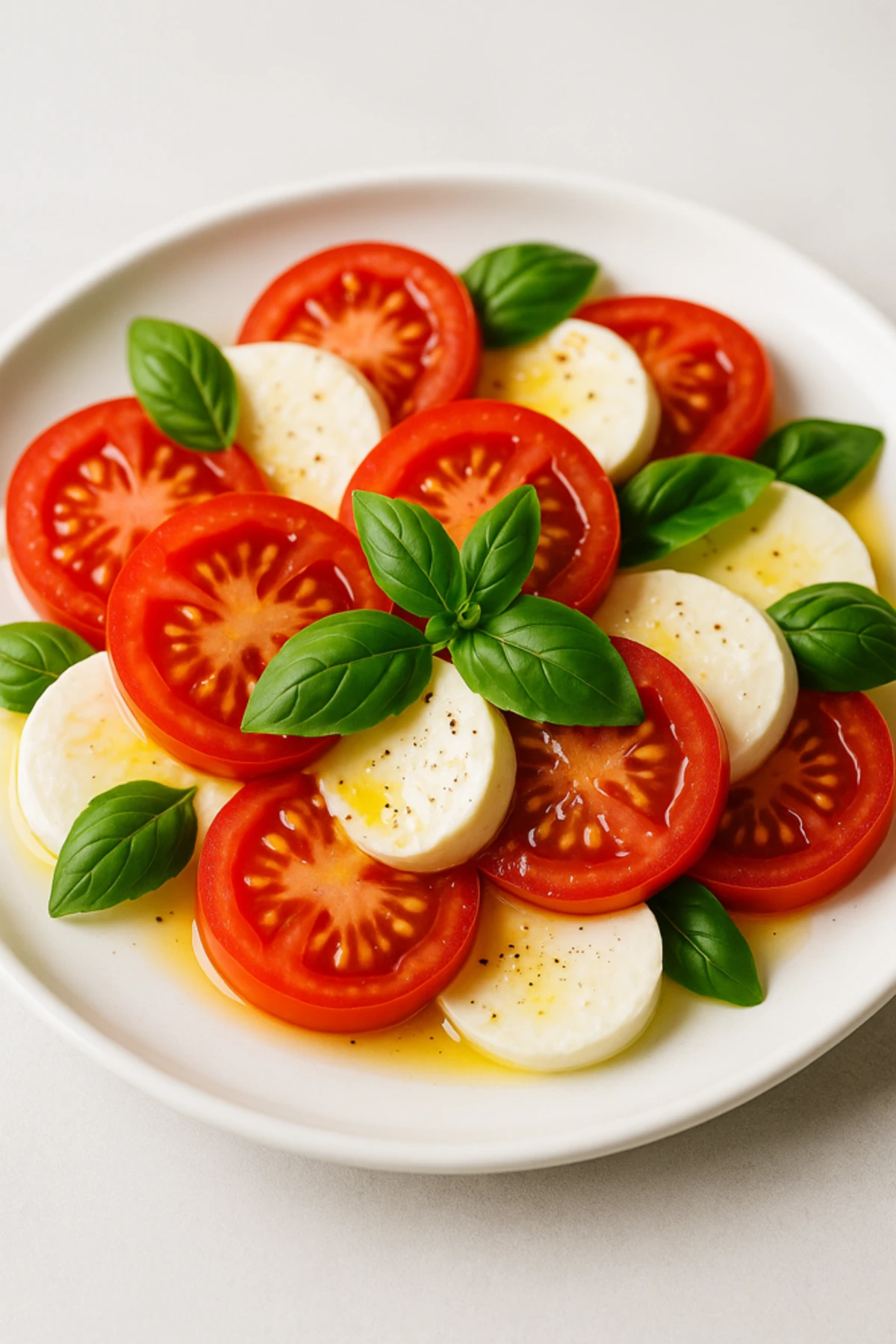
Tomato Mozzarella Salad with Basil & Provence Olive Oil
Tomato Mozzarella Salad with Basil and Provence Olive Oil
When you want something light, bright, and effortlessly elegant, a tomato mozzarella salad with basil and fragrant olive oil from Provence is hard to beat. This classic combination of ripe tomatoes, creamy mozzarella, and fresh herbs is on the table in minutes, yet feels worthy of a restaurant patio in the South of France. Add a thoughtful wine pairing, and it turns into a simple but unforgettable dining experience.
In this guide, you’ll learn everything you need to make a foolproof tomato mozzarella salad recipe, from choosing the best ingredients to serving and pairing it with wine. Whether you’re cooking for a weeknight dinner, a summer cookout, or a date night at home, this salad—and the wines that love it—will quickly become a go‑to in your rotation.
About This Dish
Tomato, mozzarella, basil, and olive oil are one of the most iconic flavor trios in the world. Known widely as a Caprese-style tomato mozzarella salad, the combination likely originated along the Amalfi Coast in Italy, where sun‑ripened tomatoes, fresh cow’s milk mozzarella, and backyard basil are part of everyday life.
Our version leans into that Mediterranean spirit but adds a subtle French touch with olive oil from Provence. Provence is famous for its herb‑scented hills, sunny climate, and olives pressed into aromatic, slightly floral extra‑virgin olive oil. Drizzling that over a mozzarella and tomato salad layers in notes of thyme, rosemary, and wildflowers that play beautifully with basil’s peppery freshness.
Culturally, this salad sits right at the intersection of Italian simplicity and French joie de vivre. It’s the kind of dish you’d find at a wine bar in California, a backyard gathering in Oregon Pinot country, or a sidewalk café in Paris—always paired with a glass of something crisp and refreshing. For American home cooks and wine lovers, it hits that sweet spot: short ingredient list, big flavor, and endless wine pairing possibilities.
What makes this salad special is its balance:
- Tomatoes bring juicy sweetness and bright acidity.
- Mozzarella adds milky richness and soft, pillowy texture.
- Basil contributes aromatic, green, herbal notes.
- Provence olive oil ties everything together with fruity, floral, and subtly herbal flavors.
That balance of freshness, creaminess, and acidity is exactly why a good wine recommendation elevates it so easily. You’re not fighting heavy sauces or complex cooking methods; you’re amplifying the purity of great ingredients.
Key Ingredients & Their Role
For a truly memorable tomato mozzarella salad, ingredient quality matters more than quantity. With so few components, each one needs to shine.
Tomatoes
Tomatoes are the star of this dish. Look for:
- Peak ripeness: They should feel heavy for their size, with a little give when gently pressed.
- Variety: Heirloom, vine‑ripened, or high‑quality on‑the‑vine tomatoes bring deeper flavor and color.
- Seasonality: In summer, farmers’ market tomatoes are unbeatable. In cooler months, cherry or grape tomatoes are often more flavorful.
Tomatoes provide natural acidity and sweetness, which is crucial for both flavor and wine pairing. That gentle acidity means you want wines with good freshness and bright acidity so the wine doesn’t taste flat next to the salad.
Mozzarella
Use fresh mozzarella, ideally packed in liquid (brine or whey). Burrata also works if you want a more decadent twist.
Mozzarella contributes:
- Creaminess: Soft texture that contrasts beautifully with juicy tomatoes.
- Mild flavor: A milky, slightly tangy taste that lets the other ingredients shine.
Because mozzarella is rich and creamy, it calls for wines that can cut through that richness—think crisp whites and rosés with zippy acidity rather than heavy, oaky wines.
Basil
Fresh basil is non‑negotiable. Tear or chiffonade the leaves (thin ribbons) right before serving.
Basil adds:
- Herbal brightness and a lightly peppery edge.
- Aromatic lift that makes the salad smell as vibrant as it tastes.
Herbal notes in food love wines with similar green or herbal undertones, such as Sauvignon Blanc, some Provençal rosés, or lighter Italian and Spanish whites.
Provence Olive Oil
Extra‑virgin olive oil from Provence tends to be:
- Fruity and floral, with hints of fresh herbs and almond.
- Medium‑bodied, not too bitter, and very aromatic.
This style of oil enhances the tomatoes’ sweetness, rounds out the mozzarella, and mirrors the basil’s herbaceous character. In wine terms, it nudges you toward varieties with aromatic complexity instead of simple, neutral profiles.
Supporting Flavors
- Flaky sea salt & freshly ground black pepper intensify natural flavors.
- Optional splash of balsamic or a squeeze of lemon can add another layer of acidity, but use lightly so it doesn’t overrun your wine.
Together, these ingredients create an ideal canvas for pairing: moderate richness, fresh acidity, and layered aromatics that respond beautifully to the right bottle.
Tomato Mozzarella Salad with Basil and Provence Olive Oil Recipe
At a Glance
- Servings: 4 as a starter, 2 as a light main
- Prep Time: 15 minutes
- Cook Time: 0 minutes
- Total Time: 15 minutes
- Difficulty: Easy
Ingredients
- 3 large ripe tomatoes (heirloom or vine‑ripened), sliced 1/4‑inch thick
- 8 oz fresh mozzarella cheese, sliced 1/4‑inch thick
- 1 cup mixed cherry or grape tomatoes, halved (optional but adds great texture and color)
- 1 large handful fresh basil leaves (about 15–20 leaves)
- 3–4 tablespoons extra‑virgin olive oil from Provence
- 1–2 teaspoons flaky sea salt (or to taste)
- 1/2 teaspoon freshly ground black pepper
- Optional finish:
- 1–2 teaspoons aged balsamic vinegar or
- Juice of 1/2 lemon
Step‑by‑Step Instructions
- Prep the tomatoes
- Wash and dry the large tomatoes.
- Slice into even 1/4‑inch rounds so they stack neatly.
- If using cherry or grape tomatoes, slice them in half and set aside.
- Slice the mozzarella
- Drain the mozzarella and pat dry with a paper towel so the salad doesn’t become watery.
- Slice into 1/4‑inch thick rounds to match the tomatoes.
- Arrange the salad
- On a large platter, alternate slices of tomato and mozzarella in a circular pattern or straight rows—slightly overlapping each piece for a classic mozzarella and tomato salad look.
- Scatter the halved cherry tomatoes over and around the slices for extra color and sweetness.
- Add the basil
- Stack 5–6 basil leaves, roll into a loose cigar, and slice into thin ribbons (chiffonade). Repeat with remaining leaves.
- Sprinkle the basil generously over the tomatoes and mozzarella.
- Season generously
- Sprinkle flaky sea salt evenly over the salad. Don’t be shy—salt brings out the tomatoes’ sweetness.
- Add freshly ground black pepper to taste.
- Dress with Provence olive oil
- Slowly drizzle the olive oil from Provence over the entire salad, making sure each slice gets a touch of richness and shine.
- Finish with acidity (optional)
- If you like, drizzle a small amount of aged balsamic or squeeze a bit of lemon juice over the salad. Go light—this is a supporting act, not the main event.
- Serve immediately
- Serve at room temperature for the best flavor. If prepping ahead, assemble without salt and basil, cover, refrigerate up to 2 hours, then bring to room temp and finish with basil, seasoning, and olive oil just before serving.
Nutrition & Dietary Notes (Approximate per serving, 1/4 of recipe)
- Calories: ~260–300
- Protein: ~12–14 g
- Fat: ~22–24 g (mostly from olive oil and mozzarella)
- Carbohydrates: ~6–8 g
- Fiber: ~2 g
Dietary information:
- Gluten‑free
- Vegetarian
- Nut‑free (check mozzarella label)
This base recipe for tomato mozzarella salad is easy to adapt. For a tomato cucumber mozzarella salad recipe, add 1 cup of thinly sliced Persian or English cucumber for extra crunch and freshness.
Perfect Wine Pairings for Tomato Mozzarella Salad
A fresh tomato mozzarella salad loves wines that are bright, aromatic, and not overly heavy. Think high acidity, low tannin, and minimal new oak. Here’s how to choose a bottle that makes both the salad and the wine taste even better.
What to Look For in a Wine
- Body: Light to medium‑bodied wines work best; the salad is delicate, so the wine shouldn’t overpower it.
- Acidity: Moderate to high. Tomato acidity will make low‑acid wines taste flat.
- Tannins: Low. Tannic reds can clash with tomatoes and turn bitter.
- Oak: Minimal. Heavy oak can feel clumsy with such a fresh, herbal dish.
You’ll find excellent options in the $15–$30 range at Total Wine, Trader Joe’s, BevMo, and good local wine shops.
1. Provençal Rosé (France)
The most natural partner for olive oil from Provence is a dry rosé from Provence.
- Why it works: Crisp acidity, red berry fruit, and subtle herbal notes (think thyme and lavender) mirror the salad’s basil and Provençal flavors.
- What to look for on the label: Côtes de Provence, Bandol Rosé, or generic “Rosé de Provence,” 12–13% ABV, dry.
- Where to buy: Widely available at Total Wine, BevMo, and many grocery stores around $15–$25.
2. Sauvignon Blanc (California or Loire Valley)
For a zesty, green, and refreshing pairing, Sauvignon Blanc is a standout.
- Why it works: High acidity loves tomato, while citrus and herbal notes complement basil and olive oil.
- California picks: Napa or Sonoma Sauvignon Blanc with vibrant grapefruit and lime.
- Old World picks: Sancerre or Pouilly‑Fumé (Loire Valley) if you prefer more mineral, flinty character.
- Where to buy: Look for reliable producers at Trader Joe’s or local shops in the $15–$28 range.
3. Italian Whites (Vermentino or Pinot Grigio)
To echo the salad’s Italian roots, reach for Vermentino or a high‑quality Pinot Grigio.
- Vermentino (Sardinia, Tuscany, or Languedoc): Salty, citrusy, and slightly herbal—great with tomatoes and basil.
- Pinot Grigio: Choose a well‑made bottle (Alto Adige or Friuli) for crisp apple, pear, and lemon.
- Where to buy: Vermentino and better Pinot Grigio are easy to find at Total Wine and many local wine shops in the $14–$24 range.
4. Light, Chillable Reds (Pinot Noir or Gamay)
If you prefer red, go light and serve slightly chilled.
- Oregon Pinot Noir: Elegant red fruit, soft tannins, and bright acidity. Chill for 20–30 minutes in the fridge before serving.
- Beaujolais (Gamay, France): Juicy, low‑tannin, and cherry‑driven; great with mozzarella and basil.
- Washington State Pinot Noir: Another solid option with fresh fruit and good value.
These reds work especially well if you’re serving the salad alongside grilled chicken, like a Michael Symon chicken scallopini with tomato mozzarella salad recipe style meal.
Let Vinomat Help
If you’re browsing the aisles at Trader Joe’s, Total Wine, BevMo, or your neighborhood shop and feeling overwhelmed, open Vinomat. Plug in "tomato mozzarella salad" or even a tomato and mozzarella salad recipe variation, and Vinomat will suggest specific bottles—by region, style, and price—that match this dish’s fresh, herbal profile.
Cooking Tips & Techniques
To turn a simple tomato mozzarella salad into something restaurant‑worthy, technique and timing matter just as much as ingredients.
1. Serve at Room Temperature
Cold tomatoes and mozzarella can taste muted. Let everything sit out for 20–30 minutes before serving so the flavors fully bloom. This also helps your wine pairing taste more integrated and expressive.
2. Season in Layers
- Salt the tomatoes lightly as you slice and layer them.
- Finish with a final sprinkle of salt and pepper after adding basil and olive oil.
This approach builds flavor into every bite rather than leaving all the seasoning on top.
3. Don’t Drown the Salad
It’s tempting to pour on a lot of olive oil and vinegar. Resist. You want everything lightly coated, not swimming. Too much acid (especially balsamic) can make many wines seem sharp or thin.
4. Choose the Right Cut
For a classic mozzarella and tomato salad look, use neat rounds of tomato and mozzarella. For a more rustic style, tear the mozzarella into bite‑size pieces and roughly chop the tomatoes. Both are delicious; just keep the pieces relatively similar in size for easy eating.
5. Upgrade with Simple Add‑Ins
If you want to turn this into a fuller tomato cucumber mozzarella salad recipe or a light main course, consider:
- Sliced cucumbers for crunch
- Toasted pine nuts or almonds for texture
- A handful of arugula for peppery bite
- Grilled chicken or shrimp on the side for added protein
Any additions should still respect the salad’s core: fresh, bright, and not overly heavy.
Serving Suggestions
This tomato mozzarella salad with basil and Provence olive oil is incredibly versatile and fits into many menus.
As a Starter
Serve on a large platter in the center of the table with small plates so everyone can help themselves. Pair with a chilled glass of Provençal rosé or Sauvignon Blanc to set a relaxed, Mediterranean tone for the meal.
As a Light Main Course
Make thicker slices of tomato and mozzarella and serve alongside:
- Grilled bread rubbed with garlic
- A simple green salad
- Grilled chicken cutlets or fish
This is where that Michael Symon chicken scallopini with tomato mozzarella salad recipe–style approach really shines: a crisp, lemony chicken dish and this salad side by side with a glass of Oregon Pinot Noir or Italian white.
For Entertaining
- Arrange the salad on a wooden board or wide white platter for maximum color contrast.
- Garnish with a few whole basil leaves on top.
- Place your chosen wine bottle next to the platter with a little handwritten note: “Our wine pairing for the night.”
It’s a simple touch that turns dinner into an experience, and you can always lean on Vinomat for a confident wine recommendation if you’re not sure which bottle to feature.
Conclusion
A great tomato mozzarella salad proves that you don’t need complicated techniques to create a memorable meal—just ripe tomatoes, creamy mozzarella, fragrant basil, and beautiful olive oil from Provence. When you add a thoughtful wine pairing, this simple plate becomes a restaurant‑worthy moment you can enjoy any night of the week.
Whether you’re following this tomato and mozzarella salad recipe exactly or customizing your own riff, let Vinomat help you find the perfect bottle. Explore different combinations—crisp rosé tonight, bright Sauvignon Blanc tomorrow—and discover how each wine changes the way your tomato mozzarella salad tastes. The ingredients are simple, but the possibilities on your plate and in your glass are endless.