


Torrijas Wine Pairing: A Cozy Spanish Dessert for US Homes
Introduction
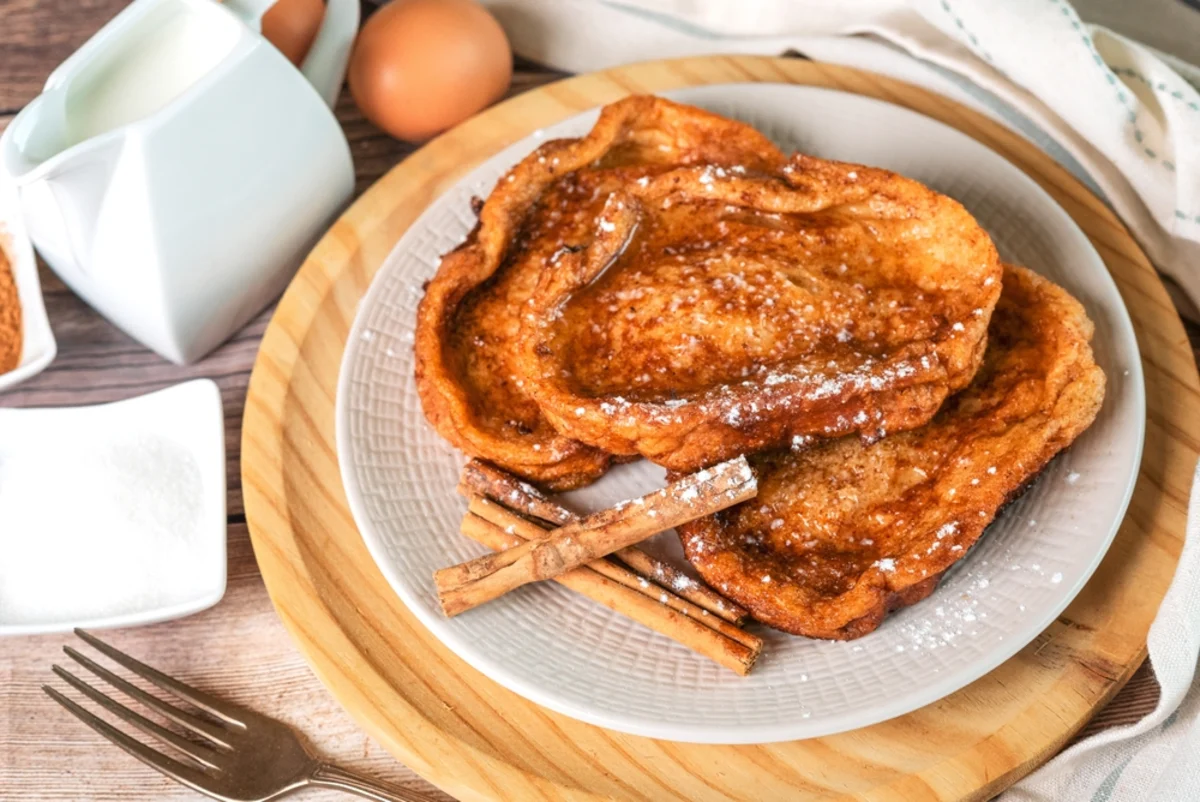
If you love French toast, wait until you meet torrijas—Spain’s ultra-cozy, cinnamon‑dusted answer to your brunch and dessert cravings. Imagine thick slices of bread soaked in sweet, spiced milk, gently fried in butter, then showered with powdered sugar and cinnamon. It is rustic, comforting, and incredibly easy to make at home.
Torrijas are also a dream for wine pairing. Their sweet, gently spiced profile works beautifully with a range of wines—from honeyed Spanish Moscatel to elegant late-harvest Riesling or a lush California dessert wine. With a few smart choices, you can turn this simple recipe into a restaurant-worthy dessert course.
In this post, you will learn what makes torrijas special, how to make them step by step, and how to choose the perfect wine for torrijas using bottles you can easily find at places like Total Wine, Trader Joe’s, BevMo, or your local wine shop. Vinomat can then help you fine‑tune your wine recommendation based on your exact bottle, so every bite and sip feels like a perfect match.
About This Dish
Torrijas are a classic Spanish dessert traditionally associated with Holy Week (Semana Santa), when families use up leftover bread and turn it into something truly indulgent. Thick slices of stale bread are soaked in milk (often infused with cinnamon and citrus), dipped in egg, and fried until golden. The result is soft and custardy inside, lightly crisp outside, and topped with sugar, cinnamon, or honey.
Historically, torrijas were a clever way to avoid wasting bread while creating a hearty, comforting dish for religious festivals and family gatherings. Over time, they evolved from frugal home cooking into a beloved symbol of Spanish home baking, now enjoyed all year round, not just at Easter. You can find them in bakeries, cafés, and even modern restaurants in Spain, sometimes with a brûléed top or served alongside ice cream and syrup.
For American home cooks, torrijas are wonderfully familiar yet a little different. If you think of them as “Spanish-style French toast,” you’re on the right track—but they tend to be a bit richer and more dessert-like than typical American breakfast French toast. The hint of sweet and spicy cinnamon makes them especially friendly for dessert wine pairing, because it invites wines with warm baking-spice notes or a touch of residual sugar.
Whether you serve them as an indulgent brunch or an elegant dessert after dinner, torrijas are easy enough for a Tuesday night and impressive enough for guests.
Key Ingredients & Their Role
Torrijas rely on just a handful of pantry staples, but each one plays a crucial role in the texture and flavor—and in how you choose the wine for torrijas.
Bread
The foundation of great torrijas is day-old bread. Stale bread absorbs the milk‑egg mixture without falling apart, giving you that custardy interior while still holding its shape in the pan.
- Baguette: Gives you a slightly chewy bite with a crisp edge.
- Brioche: Adds richness and a buttery aroma, making the dish taste more dessert‑like.
For wine pairing, richer bread (like brioche) tilts the dish toward slightly more opulent wines—think late-harvest whites or off‑dry sparkling wines—because there is more fat and sweetness to balance.
Milk
Whole milk creates the base for the custard-like soak. It brings creamy texture and subtle sweetness, which softens the bread and makes each slice almost pudding-like. In traditional Spanish recipes, the milk is sometimes infused with cinnamon sticks, citrus peel, or vanilla for extra aroma.
This creamy, sweet profile leans toward wines with good acidity (to cut through the richness) and a touch of sweetness (to avoid tasting sour next to the sugar). A lightly sweet Riesling, Moscato, or Moscatel is an excellent starting point.
Eggs
Eggs bind everything together and provide that classic custard structure. They help the torrijas brown beautifully in the pan and add richness without overwhelming the palate.
From a wine perspective, egg-rich dishes can mute tannins and emphasize bitterness in red wine, so you usually want low‑tannin or no‑tannin wines—typically whites, rosés, or sweet fortified wines—rather than big, grippy reds.
Sugar
Granulated sugar sweetens the soak, and powdered sugar finishes the dish. Torrijas are sweet but not cloying, especially compared to frosted American desserts.
The golden rule: your wine should be at least as sweet as your dessert, or the wine may taste thin or harsh. That is why many of the best wine pairing choices here are off-dry or sweet wines, not bone‑dry bottles.
Cinnamon
Cinnamon is the signature spice of torrijas. It adds warmth and a gentle spiciness that makes the dessert smell like a cozy bakery. You use it in the custard and again as a garnish.
Cinnamon-friendly wines often show notes of baking spice, honey, orange peel, or stone fruit. Many Spanish sweet wines, some late-harvest Rieslings, and even certain California dessert blends mirror these flavors, creating a seamless match.
Butter
Instead of deep‑frying in oil, this version uses unsalted butter in the skillet, which gives a nutty, browned‑butter aroma and a softer, more brunch‑style feel.
Butter adds richness and weight, so a good wine recommendation will consider acidity as a balancing force. Think of wines that feel refreshing rather than heavy: sparkling wines, high‑acid whites, or bright sweet wines.
Together, these ingredients create a dessert that is sweet, creamy, cinnamon‑spiced, and lightly buttery—an ideal canvas for thoughtful dessert wine pairing.
Recipe
| Prep Time | 15 minutes |
|---|---|
| Cook Time | 5 minutes |
| Total Time | 20 minutes |
| Servings | 4 |
| Difficulty | Easy |
Ingredients:
- 8 slices Day-old bread (e.g. baguette or brioche)
- 2 cups Whole milk
- 3 large Eggs
- 1/4 cup Granulated sugar
- 1 tsp Ground cinnamon
- 3 tbsp Unsalted butter
- 1/2 tsp Ground cinnamon (for garnish)
- 1 tbsp Powdered sugar (for garnish)
- 4 sticks Cinnamon sticks (optional, for garnish)
Instructions:
- Slice the bread into 8 approximately 1-inch-thick slices. Set aside.
- In a large mixing bowl, whisk together the milk, eggs, granulated sugar, and 1 tsp of ground cinnamon until smooth.
- Preheat a large non-stick skillet or frying pan over medium heat.
- Melt 1 tbsp of butter in the skillet, ensuring the pan is evenly coated.
- Dip a slice of bread briefly into the milk mixture, ensuring both sides are coated but not overly soaked. Let excess liquid drip off.
- Place the dipped bread slice into the skillet and cook for 2-3 minutes per side, until golden brown. Adjust heat as necessary to prevent burning.
- Repeat with remaining bread slices, adding more butter to the skillet as needed, until all the slices are cooked.
- Arrange the torrijas on a serving plate. Dust with powdered sugar and lightly sprinkle with ground cinnamon. Add a cinnamon stick to each plate for garnish, if desired.
- Serve warm and enjoy your traditional torrijas!
Nutrition Facts (per serving):
- Calories: 290 kcal
- Protein: 8.0g
- Fat: 12.0g
- Carbohydrates: 45.0g
- Salt: 0.6g
Dietary Information: Contains gluten, Contains dairy, Nut-free
Perfect Wine Pairings
Torrijas are a fantastic gateway into dessert wine pairing because their flavors are gentle and familiar: vanilla, cinnamon, creamy milk, and toasted bread. When choosing the perfect match, think about three main elements: sweetness, acidity, and aroma.
- Sweetness: The wine should be at least as sweet as the dessert.
- Acidity: You want enough acidity to refresh your palate between bites.
- Aroma & Flavor: Look for wines with notes of honey, citrus, stone fruit, or baking spices.
Here are some approachable, US‑friendly wine for torrijas ideas, with bottles you can easily find for around $15–$30.
1. Spanish Moscatel or Moscatel de Valencia
To honor the dessert’s roots, start in Spain. A sweet Moscatel offers orange blossom, honey, and ripe peach notes that echo the cinnamon and sugar in torrijas. It is typically low in tannin, medium‑bodied, and beautifully aromatic.
- Why it works: Matches the sweetness level, highlights the cinnamon, and adds bright citrusy lift.
- Where to find it: Look for Spanish Moscatel at Total Wine, BevMo, or your local shop in the dessert wine section, usually well within the $15–$25 range.
2. Late-Harvest Riesling (Washington State, Oregon, or Germany)
A late‑harvest Riesling from Washington State or Oregon is another outstanding wine recommendation. Expect flavors of apricot, baked apple, and honey, with vibrant acidity.
- Why it works: The high acidity cuts through the buttery richness, while stone‑fruit sweetness marries with the sugar and cinnamon.
- Where to find it: Many US producers make late‑harvest or “icewine‑style” Rieslings. Check Total Wine or local shops; look for “late harvest,” “Auslese,” or “Spätlese” on German labels.
3. Demi-Sec or Doux Sparkling Wine (California or French)
If you love bubbles, choose a demi-sec (off‑dry) or doux (sweet) sparkling wine from California or France. Think slightly sweet Prosecco-style bottles or California sparkling labeled “extra dry” or “semi‑sweet.”
- Why it works: Bubbles cleanse the palate after each creamy, cinnamon-laced bite, and the gentle sweetness complements rather than clashes.
- Where to find it: Trader Joe’s often has value sparkling options under $20, and BevMo and Total Wine carry a wide range of demi-sec options.
4. Vin Santo or Other Italian Dessert Wines
For an Italian twist, Vin Santo or another Tuscan dessert wine makes a sophisticated perfect match for torrijas. These wines often show notes of caramel, dried fruit, and nuts.
- Why it works: The nutty, caramel tones pair beautifully with browned butter and toasted bread flavors in the torrijas.
- Where to find it: Look in the Italian dessert section at Total Wine or specialty shops; many half‑bottles land around $20–$30.
What to Avoid
- Very tannic red wines (Cabernet Sauvignon, young Barolo) can taste bitter and harsh against the sweetness and eggs.
- Extremely dry, high‑acid whites (like some lean Sauvignon Blancs) may feel too sharp and thin with this dessert.
If you are unsure where to start, open Vinomat, plug in “torrijas,” and let the app guide you to a tailored wine pairing based on exactly what’s available in your area.
Cooking Tips & Techniques
A simple torrijas recipe becomes exceptional when you pay attention to a few key details.
Choose the Right Bread
- Use day‑old bread so it holds its shape. Fresh bread can fall apart or turn mushy.
- Slice about 1 inch thick: thin slices dry out; very thick slices may stay raw in the center.
Control the Soak
- Dip the bread briefly, just enough to coat and slightly saturate, but not so long that it collapses.
- Let excess mixture drip off back into the bowl to avoid soggy centers and messy splatter.
Pan Temperature Matters
- Medium heat is your friend. Too hot, and the outside burns before the inside cooks; too low, and the bread just absorbs fat.
- The butter should sizzle gently, not smoke. Adjust the heat between batches if needed.
Work in Batches
- Do not overcrowd the pan; that drops the temperature and leads to uneven browning.
- Wipe out any burnt bits between batches and add fresh butter as needed.
Season Smartly
- Finish with powdered sugar and a final sprinkle of cinnamon right before serving for maximum aroma.
- Cinnamon sticks as garnish add a visual cue and a subtle warm fragrance.
With these small adjustments, your torrijas will come out consistently golden, custardy, and ready for that carefully chosen glass of wine.
Serving Suggestions
Torrijas are at their best served warm, when the center is still soft and custardy and the exterior is delicately crisp.
- Arrange slices slightly overlapping on a warm platter, dust generously with powdered sugar, and add a final whisper of ground cinnamon.
- Garnish each plate with a cinnamon stick for a rustic, bistro-style look.
For a full dessert experience:
- Serve with a small scoop of vanilla or cinnamon ice cream, or a dollop of lightly sweetened whipped cream.
- Add a few orange segments or berries to brighten the plate and echo the fruity notes in your wine.
Set the scene by serving torrijas after a simple dinner—perhaps roast chicken, grilled vegetables, or a light pasta—then dim the lights, pour your chosen wine for torrijas, and let the aromas of cinnamon, toasted bread, and honeyed wine fill the room. If you want to experiment, use Vinomat at the table to explore alternate wine pairing ideas for the next round.
Conclusion
Torrijas are proof that a few humble ingredients—bread, milk, eggs, sugar, and cinnamon—can become something unforgettable with a little care and the right wine pairing. This easy recipe fits effortlessly into American home cooking, whether you serve it as an indulgent brunch dish or a cozy dessert.
Next time you are browsing Total Wine, Trader Joe’s, or BevMo, pick up a bottle of Moscatel, late‑harvest Riesling, or demi-sec sparkling wine and save it for your next batch of torrijas. Open Vinomat to fine‑tune your wine recommendation, compare options, and discover your own perfect match. One plate of warm torrijas and a well-chosen glass of wine might just become your new favorite way to end the evening.