


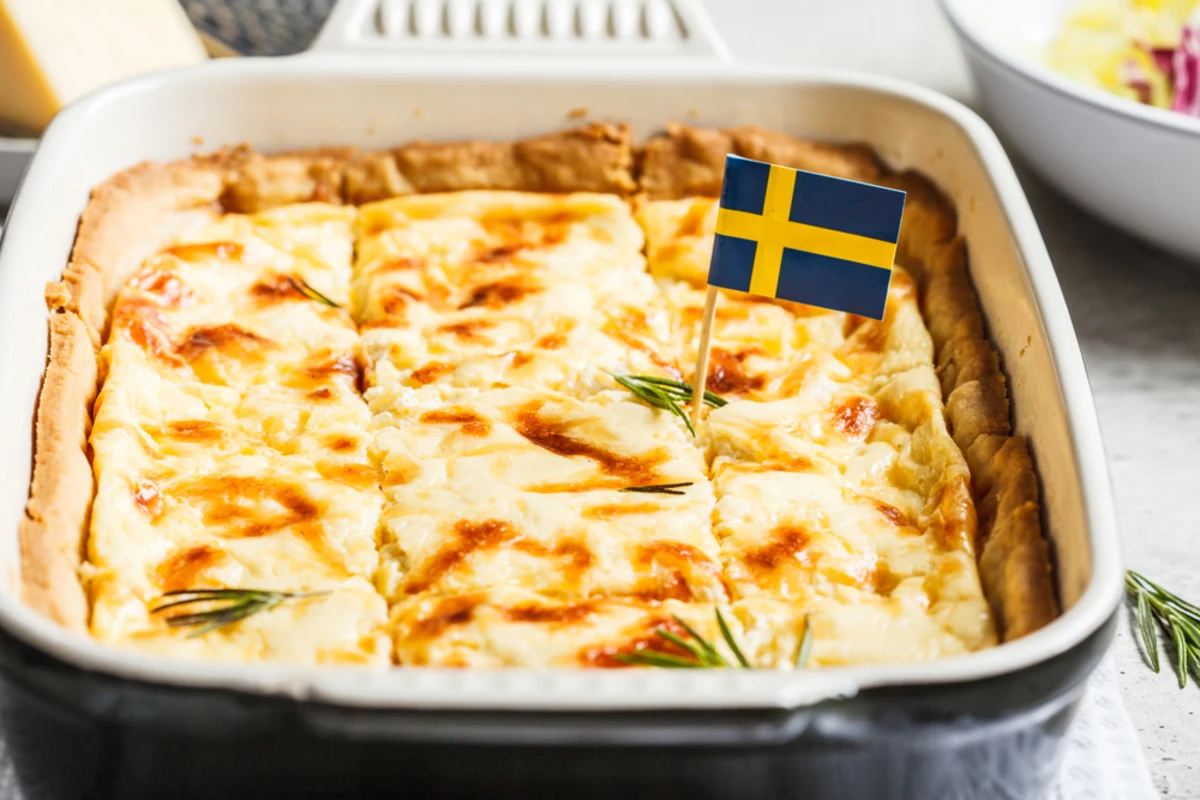
Västerbotten Cheese Pie & Wine Pairing: A Cozy Nordic Classic
Introduction
If you love cheesy, comforting recipes and a thoughtful glass of wine, Västerbotten Cheese Pie might become your new favorite discovery. This Swedish classic is a rich, savory pie built on a buttery crust and a filling of eggs, cream, and intensely flavorful Västerbotten cheese. Think of it as Scandinavia’s answer to quiche—only saltier, more umami-packed, and incredibly wine‑friendly.
In this post, you’ll learn what makes Västerbotten Cheese Pie special, how to make it at home, and how to choose the best wine pairing to turn a simple dinner into an effortlessly elegant experience. We’ll walk through the exact recipe, explore why this cheese is such a perfect match for wine, and finish with practical wine recommendations you can easily find at Total Wine, Trader Joe’s, BevMo, or your local shop.
And if you’d like personalized pairings beyond this recipe, the Vinomat app is a powerful tool to help you discover your own perfect match for Västerbotten Cheese Pie and just about anything else you cook.
About This Dish
Västerbotten Cheese Pie, or Västerbottenpaj, is a beloved Swedish dish that shows up at everything from crayfish parties in late summer to cozy winter gatherings. It’s often served at celebrations and buffets, standing proudly alongside gravlax, crispbread, and aquavit, but it’s just as at home as a simple lunch or light dinner.
The star ingredient is Västerbotten cheese, a hard, aged Swedish cheese made in the Västerbotten region. It has a deep, savory flavor with a distinct salty, nutty, and slightly tangy character that sets it apart from milder cheeses like Gouda or young cheddar. Many cooks describe its taste as layered and complex—sharp, but not harsh; rich, but still balanced. That salty, umami punch is exactly what makes the dish so versatile at the table and such a natural partner for wine.
Culinarily, Västerbotten Cheese Pie sits somewhere between a French quiche and an Italian torta salata. The crust is typically all‑butter and crumbly, while the filling bakes up silky yet firm, with a golden top and an aroma that hits you the moment you crack open the oven door.
In Sweden, it’s often served at room temperature, especially on a buffet, sometimes with crayfish, roe, and fresh dill. In the United States, it adapts beautifully: serve it warm as a centerpiece for brunch, slice it into elegant wedges for a wine-and-cheese night, or pair it with a crisp salad for an easy weeknight dinner. Whichever way you go, Västerbotten Cheese Pie is the kind of dish that feels both rustic and refined—down‑to‑earth comfort with the sophistication to hold its own next to a thoughtfully chosen glass of wine.
Key Ingredients & Their Role
At its heart, Västerbotten Cheese Pie is a minimal‑ingredient recipe that relies on quality and balance. Each component plays a distinct role in both texture and flavor—and in how the dish interacts with wine.
The Crust: All‑Purpose Flour & Butter
The crust is made from all‑purpose flour and cold unsalted butter, with just enough cold water to bring it together. This creates a classic shortcrust: tender, flaky, and rich. The buttery notes echo the richness of the filling and form a neutral base for the salty cheese.
From a wine pairing perspective, this buttery crust nudges you toward wines with enough acidity to cut through richness, but not so aggressive that they clash. That’s why fresh, high‑acid whites like Sauvignon Blanc or dry Riesling work beautifully—they clean the palate after each bite, while still allowing the cheese to shine.
Västerbotten Cheese
The key ingredient is Västerbotten cheese, grated and folded into the custard. It’s salty, intensely savory, and packed with umami. If you can’t find it, many U.S. cooks substitute aged cheddar or Gruyère, but Västerbotten has a uniquely deep, tangy complexity that really defines this pie.
Its pronounced salinity and umami are crucial for wine. Salt in food tends to soften the perception of acidity and tannin in wine, making a crisp white feel rounder or a red feel smoother. Umami, on the other hand, can make wines taste more bitter or astringent if you’re not careful. That’s why the best wine for Västerbotten Cheese Pie is often a white with bright acidity and little to no tannin, or a very soft, low‑tannin red.
Eggs, Cream, and Milk
The filling’s structure comes from eggs, heavy cream, and whole milk, whisked into a lush custard. The eggs set as they bake, giving the pie a sliceable texture, while cream and milk add richness and a silky mouthfeel.
This creamy, custardy base leans into wines with:
- Medium body (so the wine doesn’t feel thin next to the richness)
- Refreshing acidity (to cut through fat)
- Clean, fresh fruit flavors (to balance the salt and umami)
Think Chardonnay with moderate oak, a structured Chenin Blanc, or a bright, unoaked white from Spain or Italy.
Seasoning & Garnish
A simple seasoning of salt and freshly ground black pepper complements the cheese without overpowering it. A garnish of fresh rosemary adds a gentle piney, herbal note that pairs nicely with herbal tones in many wines, such as Sauvignon Blanc or some Italian whites.
Overall, the salty, umami‑rich, creamy profile of Västerbotten Cheese Pie is tailor‑made for thoughtful wine pairing. The right wine will feel like a perfect match—lifting the richness, highlighting the cheese’s complexity, and making each bite taste even more layered and interesting.
Recipe
| Prep Time | 45 minutes |
|---|---|
| Cook Time | 15 minutes |
| Total Time | 60 minutes |
| Servings | 4 |
| Difficulty | Moderate |
Ingredients:
- 1 1/4 cups All-purpose flour
- 1/2 cup Unsalted butter (cold)
- 2 tbsp Cold water
- 200 g Västerbotten cheese (grated)
- 3 Eggs
- 1 cup Heavy cream
- 1/2 cup Whole milk
- 1/2 tsp Salt
- 1/4 tsp Freshly ground black pepper
- 2 sprigs Fresh rosemary (optional, for garnish)
Instructions:
- Preheat the oven to 200°C (390°F). Place the oven rack in the middle of the oven.
- In a food processor or mixing bowl, combine the all-purpose flour and cold, diced butter. Process or rub together until the mixture resembles coarse crumbs.
- Add the cold water, one tablespoon at a time, and mix until the dough just comes together. Do not overwork the dough.
- Roll out the dough on a lightly floured surface and press it into a 9-inch tart pan. Trim the edges and prick the base with a fork.
- Blind bake the crust by placing a piece of parchment paper over the crust and filling it with baking beans or weights. Bake for 10 minutes, then remove the weights and parchment paper and bake for another 5 minutes. Remove from oven and let cool slightly.
- In a mixing bowl, whisk the eggs, heavy cream, and whole milk until fully combined. Season with salt and freshly ground black pepper.
- Stir in the grated Västerbotten cheese into the egg mixture.
- Pour the filling into the pre-baked crust, spreading evenly.
- Bake in the center of the oven at 200°C (390°F) for 20–25 minutes, or until the filling is set and golden on top.
- Remove the Västerbottenpaj from the oven and allow it to cool slightly. Garnish with fresh rosemary sprigs if desired.
- Cut into slices and serve warm or at room temperature. Plate each serving neatly for an elegant presentation.
Nutrition Facts (per serving):
- Calories: 390 kcal
- Protein: 15.0g
- Fat: 25.0g
- Carbohydrates: 35.0g
- Salt: 1.2g
Dietary Information: Contains gluten, Contains dairy, Nut-free
Perfect Wine Pairings
Because Västerbotten Cheese Pie is salty, creamy, and umami‑rich, it rewards wines with bright acidity, moderate body, and clean fruit. Here’s how to choose the perfect match and some concrete wine recommendations you can easily find in the U.S.
What to Look For
When choosing wine for Västerbotten Cheese Pie, focus on these traits:
- Medium to high acidity: Cuts through cream and butter and keeps each bite feeling light.
- Low tannins: Umami can make tannins feel harsher, so skip big, grippy reds.
- Medium body: Enough weight to stand up to the richness without feeling heavy.
- Fresh fruit and subtle oak: Too much oak or alcohol can overwhelm the cheese.
1. California Chardonnay (Unoaked or Lightly Oaked)
A well‑balanced California Chardonnay is a classic wine pairing here. Look for bottles labeled “unoaked,” “no oak,” or “lightly oaked,” ideally in the $15–$25 range.
- Why it works: The wine’s citrus, apple, and stone‑fruit flavors complement the cheese, while its acidity cuts through the creamy custard.
- Where to buy: Total Wine and BevMo both carry a wide selection of Sonoma and Central Coast Chardonnays in this style, plus plenty of options under $20.
2. Oregon Pinot Noir
If you prefer red, an Oregon Pinot Noir is one of the best red options with Västerbotten Cheese Pie.
- Why it works: Pinot Noir from Oregon typically has bright acidity, red berry fruit, and gentle tannins—soft enough for the umami cheese, but structured enough to keep the pairing lively.
- How to enjoy: Slightly chill the bottle (about 15 minutes in the fridge) before serving to make the pairing even more refreshing.
- Where to buy: Look for Willamette Valley Pinot Noir at Total Wine or BevMo in the $20–$30 range; Trader Joe’s often has value Oregon Pinots under $20.
3. Washington State Riesling (Dry or Off‑Dry)
A dry or off‑dry Riesling from Washington State is a stellar choice if you like aromatic whites.
- Why it works: Riesling’s high acidity and notes of lime, green apple, and white flowers balance the salty, savory cheese. A touch of sweetness (off‑dry) can smooth out the cheese’s intensity and elevate the umami.
- Where to buy: Total Wine and BevMo usually have several Washington Rieslings in the $12–$20 range; Trader Joe’s often carries budget‑friendly options.
4. European Classics: French, Italian, and Spanish
If you want to lean into Old World character, try:
- French Crémant or Champagne (Brut): Bubbles love salt and fat. A dry sparkling wine cuts through richness and adds a celebratory feel.
- Italian Gavi or Soave: Crisp, citrusy, and mineral‑driven whites from northern Italy that keep the pairing light and food‑centric.
- Spanish Albariño: Bright acidity, stone fruit, and saline notes that mirror the cheese’s savory character.
You’ll typically find these styles between $15–$30 at Total Wine or BevMo. Trader Joe’s often has private‑label versions that deliver excellent value.
For more nuanced pairing ideas tailored to the exact bottle you have on hand, open Vinomat while you cook—its wine recommendation engine can suggest the best match based on your specific wine and this exact recipe.
Cooking Tips & Techniques
Västerbotten Cheese Pie is straightforward, but a few professional tips will help you get perfect results every time.
Crust Tips
- Keep everything cold: Use cold butter and cold water, and work quickly. This prevents the butter from melting into the flour and helps create a flaky, tender crust.
- Don’t overwork the dough: Mix just until it comes together. Overworking develops gluten, which can make the crust tough instead of delicate.
- Blind bake thoroughly: Fully blind‑baking (with weights, then briefly without) prevents a soggy bottom once the custard goes in. Make sure the crust is lightly golden before adding the filling.
Filling Tips
- Whisk gently: Aim for a fully combined custard, but don’t whip in too much air. Extra air can cause the filling to puff and then deflate.
- Grate the cheese finely: Fine shreds melt more evenly into the custard, giving you a smooth, cohesive texture rather than pockets of unmelted cheese.
- Season thoughtfully: Västerbotten cheese is already salty. Start with the recipe’s measured salt and avoid adding extra until you’ve tasted the baked pie.
Baking & Serving
- Don’t overbake: The filling should be set but just barely wobbly in the center when you take it out. It will continue to firm up as it cools.
- Rest before slicing: Let the pie cool slightly so it sets. This makes for cleaner slices and a more pleasant texture.
- Serve warm or room temperature: Both are authentic and delicious. Room temperature is especially nice if you’re pairing with wine, since flavors in both food and wine show best when they’re not too cold.
Serving Suggestions
Västerbotten Cheese Pie can be dressed up or down depending on the occasion, making it a flexible centerpiece for your table.
- For brunch: Serve warm wedges with a simple green salad (think arugula with lemon vinaigrette) and fresh berries. Pour a chilled glass of dry Riesling or unoaked Chardonnay to keep things bright and refreshing.
- For a wine‑and‑cheese night: Cut the pie into smaller slices or squares and serve on a wooden board with cornichons, whole‑grain mustard, crispbread or baguette, and a few charcuterie items. Add a bottle of Oregon Pinot Noir or Spanish Albariño for an effortless wine pairing spread.
- For a light dinner: Plate a generous slice with roasted asparagus, a tomato salad, or simply dressed mixed greens. A California Chardonnay in the $15–$25 range from Total Wine or BevMo makes an easy, crowd‑pleasing perfect match.
- For entertaining: Make the pie ahead and serve at room temperature. This frees you up to greet guests and focus on pouring wine. Use Vinomat to fine‑tune a wine recommendation list—maybe a flight of three different styles so everyone can discover their favorite pairing.
A small touch like garnishing each slice with a sprig of fresh rosemary or a few delicate salad leaves instantly elevates the presentation and makes the dish feel restaurant‑worthy at home.
Conclusion
Västerbotten Cheese Pie is one of those dishes that feels like a secret once you discover it: simple ingredients, big flavor, and endless wine pairing potential. With its buttery crust, salty, umami‑rich cheese, and silky custard, it’s a natural canvas for exploring different wines—from crisp Washington Riesling to elegant Oregon Pinot Noir and refreshing California Chardonnay.
Whether you’re hosting brunch, planning a cozy dinner, or curating a relaxed wine‑and‑cheese night, this recipe gives you a reliable, impressive centerpiece. Use Vinomat to explore new bottles and uncover your own perfect match every time you bake Västerbotten Cheese Pie—then pour, slice, and enjoy how food and wine can bring out the very best in each other.