


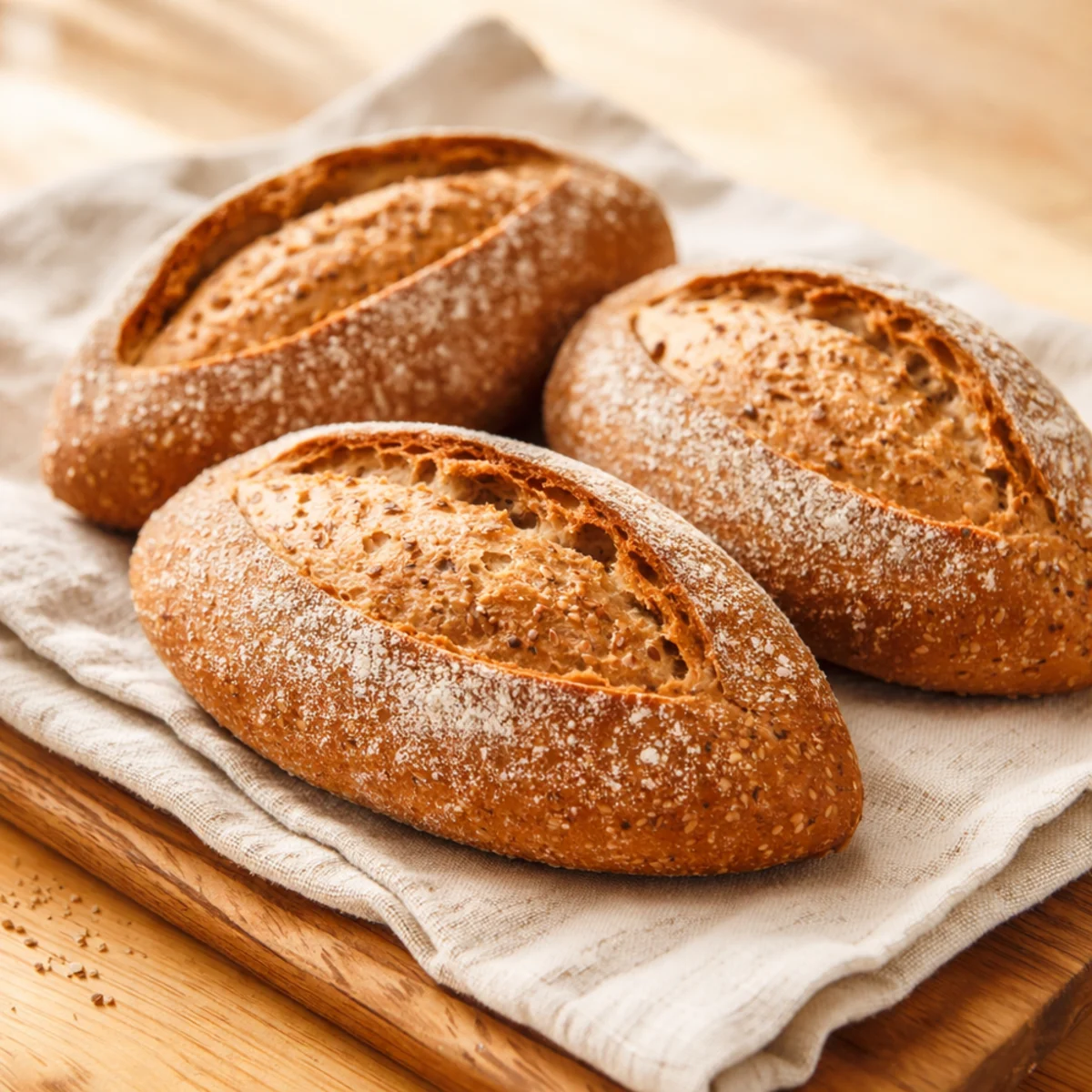
Whole Wheat Bread Wine Pairing: A Simple Recipe and Perfect Matches
Introduction
Whole wheat bread has a way of making a kitchen feel instantly welcoming. The aroma alone—warm, toasty, slightly earthy, and unmistakably yeasty—can turn an ordinary afternoon into something memorable. Whether you’re slicing it fresh from the oven, serving it with butter, or using it to soak up the last bit of soup, this humble loaf delivers comfort in every bite. Its nutty flavor and hearty crumb make it one of those everyday staples that never feels boring when made well.
For wine lovers, whole wheat bread is more than a side dish. It’s a surprisingly versatile canvas for wine pairing, especially when you want something simple, satisfying, and easy to enjoy with a relaxed meal. The best wine for whole wheat bread depends on how you serve it, but the bread’s earthy character and subtle sweetness open the door to crisp whites, light reds, and even sparkling wines. In this post, we’ll walk through a reliable recipe, explain what makes this loaf special, and share wine recommendation ideas that help you find the perfect match.
About This Dish
Whole wheat bread has deep roots in home baking traditions around the world, but in the United States it holds a particularly familiar place at the table. It’s the bread many people associate with wholesome lunches, hearty breakfasts, and simple family meals. Unlike lighter white breads, whole wheat bread brings the full character of the grain into the loaf, which means more flavor, more texture, and a more rustic, satisfying bite.
What makes it special is its balance. Whole wheat flour adds a nutty, slightly sweet depth, while yeast creates lift, structure, and that classic bready aroma people love. The result is a loaf that feels nourishing without being heavy, and rustic without being rough. When baked well, whole wheat bread has a tender crumb, a gently chewy crust, and a flavor that pairs beautifully with everything from salted butter to sharp cheese, roasted vegetables, and cured meats.
In American food culture, where tastes range from classic comfort food to global cuisine, whole wheat bread fits right in. It works for weekday sandwiches, weekend brunches, and cozy dinner spreads. It’s also a great example of how a simple recipe can feel elevated with the right wine pairing. Because the loaf is mild yet flavorful, it invites approachable wines that highlight texture and balance rather than overpowering the palate.
Key Ingredients & Their Role
The beauty of whole wheat bread lies in how few ingredients it needs to create something deeply satisfying. At its core, this recipe relies on whole wheat flour, water, and yeast—the essentials that build flavor, structure, and aroma. Each ingredient plays a distinct role, and understanding that role helps both your baking and your wine pairing choices.
Whole wheat flour is the star. Because it includes the bran and germ, it brings a fuller, nuttier flavor than refined flour. That earthy character is what gives whole wheat bread its signature taste profile. It also contributes a denser crumb and a more rustic texture, which makes the loaf feel substantial and wholesome. From a pairing perspective, that grainy, toasted quality works especially well with wines that have bright acidity or a touch of fruit, because those elements keep the bread from feeling too dry or heavy.
Water may seem simple, but it’s essential for hydration and dough development. It activates the flour and helps create gluten, which gives the bread its structure. The amount of water also affects the final texture: a well-hydrated dough tends to produce a softer crumb and better rise. When you’re thinking about wine for whole wheat bread, that soft, springy texture means you can pair with wines that have a little roundness, not just sharpness.
Yeast is responsible for fermentation, rise, and much of the bread’s aroma. It creates the classic yeasty flavor that makes fresh bread so irresistible. That same fermented note is one reason bread and wine feel so naturally connected; both are shaped by transformation and time. Yeast-driven flavor tends to pair nicely with wines that have subtle bready notes of their own, such as sparkling wines or bottle-aged whites.
Together, these ingredients create a loaf that is earthy, warm, and versatile. Because the flavor is understated rather than bold, whole wheat bread is a wonderful companion to wines that emphasize freshness, finesse, and drinkability. It’s a perfect match for many everyday bottles.
Recipe
Whole Wheat Bread Recipe
Prep Time: 20 minutes Rise Time: 1 hour 45 minutes Bake Time: 35 minutes Total Time: About 2 hours 40 minutes Servings: 1 loaf (about 10 slices) Difficulty: Easy
Ingredients
- 3 cups whole wheat flour
- 1 1/4 cups warm water
- 2 1/4 teaspoons active dry yeast
- 1 tablespoon honey or sugar
- 1 1/2 teaspoons salt
- 2 tablespoons olive oil or melted butter
Instructions
- Activate the yeast. In a large bowl, combine the warm water, honey or sugar, and yeast. Let sit for 5–10 minutes, until foamy.
- Mix the dough. Stir in the whole wheat flour, salt, and olive oil or melted butter. Mix until a shaggy dough forms.
- Knead. Turn the dough onto a lightly floured surface and knead for 8–10 minutes, until smooth and elastic. If the dough feels too sticky, add a little more flour, one tablespoon at a time.
- First rise. Place the dough in a lightly oiled bowl, cover, and let rise in a warm spot for about 1 hour, or until doubled in size.
- Shape the loaf. Punch down the dough gently, shape it into a loaf, and place it in a greased 9x5-inch loaf pan.
- Second rise. Cover and let rise again for 30–45 minutes, until the dough crowns just above the rim of the pan.
- Bake. Preheat the oven to 375°F. Bake for 30–35 minutes, until the loaf is golden brown and sounds hollow when tapped on the bottom.
- Cool. Remove from the pan and cool on a wire rack for at least 20 minutes before slicing.
Nutrition Facts
Per slice, approximately:
- Calories: 160
- Protein: 5 g
- Carbohydrates: 30 g
- Fat: 3 g
- Fiber: 4 g
- Sugar: 1 g
- Sodium: 220 mg
Dietary Information
- Vegetarian
- Dairy-free if using olive oil
- Can be made vegan by using sugar instead of honey
- Contains gluten
Perfect Wine Pairings
Whole wheat bread may seem simple, but that’s exactly why it can be such a rewarding wine pairing. Its nutty flavor, warm yeastiness, and soft chew create a flexible base for a range of wines. The key is to look for bottles with enough acidity to refresh the palate, enough texture to match the bread’s rustic feel, and enough subtle fruit or savory character to complement the grain.
1. California Chardonnay
A lightly oaked or unoaked Chardonnay from California is a smart wine recommendation for whole wheat bread, especially if you’re serving it warm with butter, roast chicken, or a creamy spread. Look for balanced acidity and moderate body rather than heavy oak. A bottle from Sonoma or Napa in the $15–30 range is often easy to find at Total Wine, Trader Joe’s, or local wine shops. The wine’s round texture can mirror the bread’s softness, while its apple, pear, and citrus notes keep the pairing lively.
2. Oregon Pinot Noir
If you want a red wine for whole wheat bread, Pinot Noir is one of the best choices. Oregon Pinot Noir, in particular, offers bright red fruit, earthy undertones, and gentle tannins that won’t overwhelm the loaf. This is a great perfect match when the bread is served with mushroom dishes, turkey sandwiches, or aged cheese. The wine’s subtle forest-floor character echoes the bread’s whole grain depth, while its acidity keeps each bite fresh.
3. Washington State Riesling
A dry or off-dry Riesling from Washington State can be an excellent wine for whole wheat bread, especially if you’re serving the loaf with honey, nut butter, or a savory-sweet spread. Riesling’s high acidity lifts the bread’s earthy flavor, and its citrus, green apple, and floral notes add brightness. This style is widely available at grocery stores, BevMo, and Trader Joe’s, often at a very approachable price point. If you’re looking for value and versatility, this is a strong contender.
4. Sparkling Wine from California or France
Sparkling wine is one of the most underrated answers to the question, “What wine goes with whole wheat bread?” The bubbles refresh the palate, while the wine’s subtle brioche or toast notes echo the bread’s yeasty aroma. A California sparkling wine or a French Crémant can be a fantastic option for brunch, appetizers, or a simple bread-and-cheese spread. This is especially useful when you want a wine pairing that feels special without pushing the budget too far.
What to Look For
For the best wine pairing, prioritize wines with:
- Bright acidity to cut through the bread’s hearty texture
- Moderate body so the wine doesn’t feel too heavy
- Low to medium tannins for red wines
- Subtle oak or lees aging for extra bready complexity
- Fresh fruit or mineral notes that complement the grain
If you’re shopping in the United States, Total Wine, Trader Joe’s, BevMo, and neighborhood wine shops usually carry several bottles that fit this style and price range. Vinomat can also help you narrow down the perfect match based on what’s in your kitchen and what’s on the shelf.
Cooking Tips & Techniques
The biggest secret to great whole wheat bread is patience. Whole wheat flour absorbs more water than white flour, so the dough may feel a little firmer at first. Resist the urge to add too much flour too quickly; a slightly tacky dough often bakes into a softer, more tender loaf. If you want a lighter texture, let the dough rise fully and make sure your yeast is fresh and active.
Temperature matters, too. Warm water should feel comfortably warm, not hot, or it can damage the yeast. A warm, draft-free spot helps the dough rise consistently. If your kitchen is cool, place the bowl near a turned-off oven with the light on.
One common mistake is underbaking. Whole wheat bread should be deeply golden and sound hollow when tapped. If you’re unsure, use an instant-read thermometer; the center should register around 190°F to 200°F. Letting the loaf cool before slicing is also important, since cutting too early can make the crumb gummy.
For extra flavor, you can brush the top with olive oil or butter after baking. That small finish adds shine, softness, and a little richness—an especially nice touch if you’re planning a wine pairing dinner.
Serving Suggestions
Whole wheat bread is wonderfully versatile at the table. Serve it warm with salted butter for the simplest pleasure, or pair it with olive oil and flaky salt for a more rustic starter. It also shines alongside soups, stews, roasted vegetables, and grain bowls, where its hearty texture can soak up flavorful sauces and broths.
For a more elevated spread, slice the bread thinly and serve it with soft cheese, aged cheddar, whipped ricotta, or hummus. If you’re building a casual wine night, add marinated olives, nuts, and cured meats for a relaxed but polished board. The bread’s nutty flavor and yeasty aroma make it a natural anchor for that kind of menu.
Presentation matters, even with something as everyday as bread. A wooden board, linen napkin, and a small dish of good butter can make the whole experience feel thoughtful. If you’re pouring wine, serve the loaf slightly warm and let guests tear or slice it at the table. It creates a welcoming, communal feel that pairs beautifully with conversation and a good bottle.
Conclusion
Whole wheat bread proves that simple food can still feel special. With its nutty flavor, warm aroma, and satisfying texture, it’s a recipe worth baking again and again. Best of all, it opens the door to easy, approachable wine pairing choices that work for weeknight dinners, brunches, and relaxed gatherings alike. Whether you reach for a California Chardonnay, Oregon Pinot Noir, Washington Riesling, or a sparkling wine, there’s a perfect match waiting.
If you love exploring what wine goes with everyday dishes, Vinomat makes it easy to discover the right wine recommendation for any meal. Bake the loaf, pour a glass, and enjoy the kind of pairing that feels both comforting and elevated.