
Cauliflower Gratin Wine Pairing: The Perfect Cozy Comfort Dish
Introduction
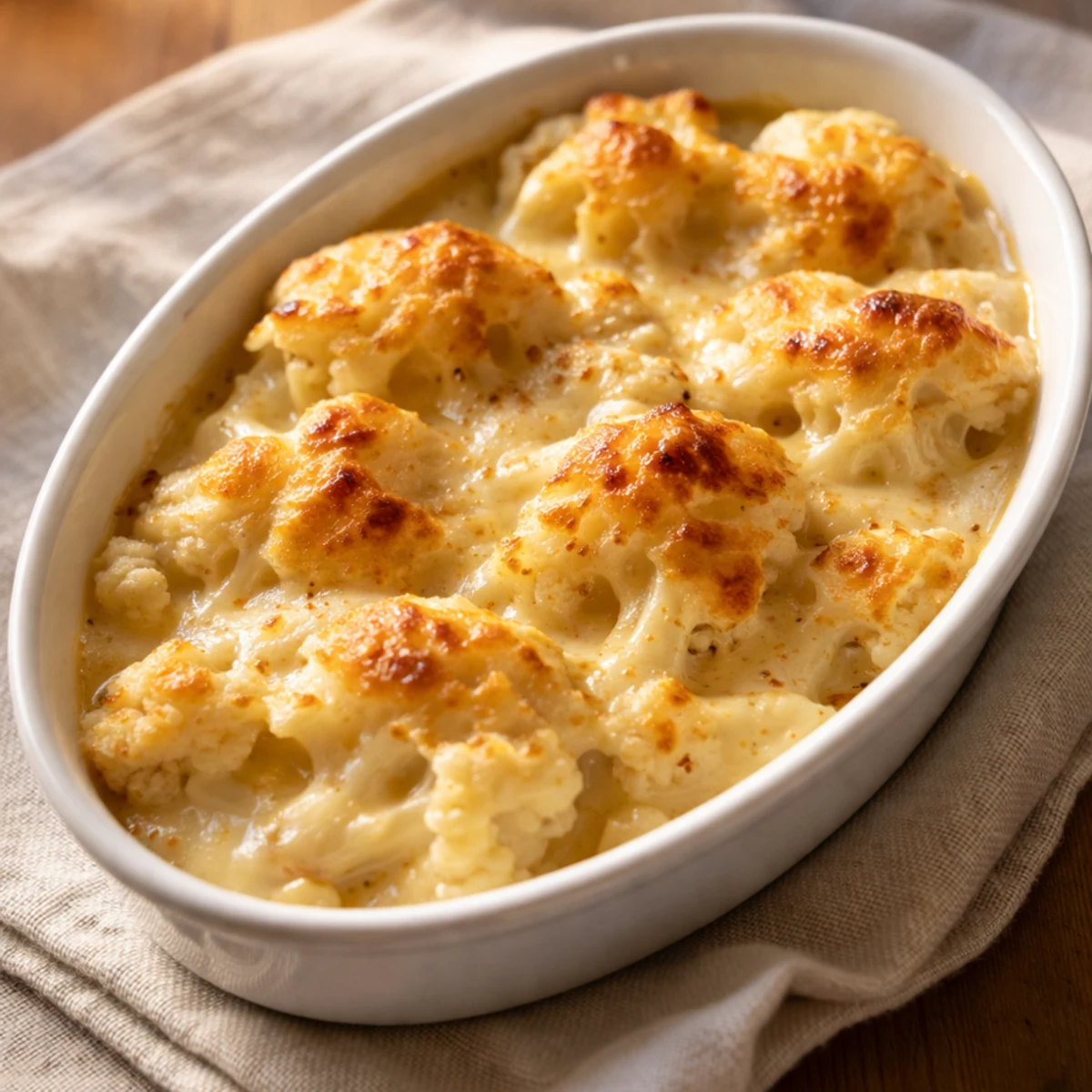
Cauliflower gratin is one of those dishes that quietly steals the show. Golden on top, silky underneath, and full of savory depth, it turns a humble vegetable into something that feels elegant enough for a dinner party but comforting enough for a weeknight. The magic is in the contrast: tender cauliflower, rich béchamel, and nutty Gruyère all baked together until the edges are bubbling and bronzed.
For anyone searching for the best wine for Cauliflower Gratin, this dish is a dream. Its creamy texture and savory character create a natural opening for thoughtful wine pairing, especially if you want a bottle that can cut through the richness without overpowering the vegetables. Whether you are planning a holiday spread, a Sunday supper, or a cozy meal with friends, Cauliflower Gratin offers plenty of room for a great wine recommendation. In other words, this is the kind of recipe that reminds us simple ingredients can deliver serious flavor—and serious pairing potential.
About This Dish
Cauliflower gratin sits comfortably in the tradition of European baked vegetable dishes, especially French cuisine, where gratins have long been a way to transform everyday produce into something luxurious. The word “gratin” refers to the browned crust that forms on top, usually from cheese, butter, or breadcrumbs, and that golden finish is a big part of the appeal. In France, gratins are often served as side dishes, but in American kitchens they have become just as welcome on the holiday table or as a hearty vegetarian main.
What makes cauliflower gratin special is the way it balances restraint and indulgence. Cauliflower has a mild, slightly sweet flavor that acts like a blank canvas, soaking up the richness of the béchamel and the sharp, nutty notes of Gruyère. The result is a dish that feels layered and complete: creamy, savory, and just a little earthy. It is elegant without being fussy, which is a big reason it has become so beloved in home cooking.
In the United States, where food culture is wonderfully diverse and increasingly wine-savvy, cauliflower gratin fits right in. It bridges comfort food and refined cooking, making it a natural candidate for wine pairing. That versatility is part of its charm: it works with roasted meats, holiday roasts, or a simple green salad, and it can be dressed up or down depending on the occasion. If you are looking for a dish that feels familiar yet elevated, cauliflower gratin is a perfect match.
Key Ingredients & Their Role
At the heart of this cauliflower gratin recipe are just a few ingredients, but each one plays an important role in building flavor and texture. Cauliflower is the foundation. When cooked until just tender, it becomes soft and buttery, with a gentle sweetness that keeps the dish from feeling heavy. Its mild flavor also makes it ideal for wine pairing because it does not compete with the wine; instead, it lets the sauce and cheese do the talking.
Béchamel is what gives the gratin its luxurious, creamy body. Made from butter, flour, and milk, this classic sauce creates a smooth base that coats every floret. It adds richness without overwhelming the palate, which is why it matters so much when choosing the best wine for Cauliflower Gratin. A dish with béchamel calls for a wine with enough acidity to refresh the palate and enough texture to stand up to the sauce.
Gruyère brings the savory backbone. Its nutty, slightly salty flavor deepens in the oven and gives the gratin that irresistible browned top. Gruyère also adds umami, which makes the dish feel more substantial and gives wine more to work with. A wine recommendation for this recipe should consider that savory quality—wines with bright acidity, subtle oak, or earthy complexity tend to shine here.
A little garlic, black pepper, and nutmeg can round out the flavor profile, adding warmth and aromatic depth. Nutmeg, in particular, is a classic partner to béchamel and gives the dish a subtle old-world elegance. If you are thinking about wine for Cauliflower Gratin, keep in mind the overall profile: creamy, savory, nutty, and gently sweet. That combination opens the door to white wines with freshness, light-bodied reds with finesse, and even sparkling wines if you want a festive twist.
Recipe
Cauliflower Gratin Recipe
Prep Time: 20 minutes Cook Time: 35 minutes Total Time: 55 minutes Servings: 6 Difficulty: Easy to Moderate
Ingredients
- 1 large head cauliflower, cut into florets
- 3 tablespoons unsalted butter
- 3 tablespoons all-purpose flour
- 2 cups whole milk, warmed
- 1 cup heavy cream
- 1 1/2 cups Gruyère cheese, grated
- 1/4 cup Parmesan cheese, grated
- 2 cloves garlic, minced
- 1/4 teaspoon freshly grated nutmeg
- 1 teaspoon kosher salt, plus more for boiling water
- 1/2 teaspoon black pepper
- 1 tablespoon Dijon mustard
- 1/2 cup breadcrumbs
- 1 tablespoon olive oil
- 1 tablespoon chopped parsley, for garnish
Instructions
- Preheat the oven to 400°F. Lightly butter a 2-quart baking dish.
- Cook the cauliflower: Bring a large pot of salted water to a boil. Add the cauliflower florets and cook for 4 to 5 minutes, just until barely tender. Drain well and set aside.
- Make the béchamel: In a medium saucepan, melt the butter over medium heat. Add the garlic and cook for 30 seconds, just until fragrant. Whisk in the flour and cook for 1 minute to form a roux.
- Add the milk and cream: Slowly whisk in the warm milk and cream, making sure the sauce stays smooth. Cook for 3 to 5 minutes, whisking often, until thickened.
- Season the sauce: Stir in the salt, black pepper, nutmeg, and Dijon mustard. Remove from the heat and mix in 1 cup of the Gruyère and all of the Parmesan.
- Assemble the gratin: Place the cauliflower in the prepared baking dish and pour the sauce evenly over the top. Sprinkle with the remaining Gruyère.
- Add the topping: Toss the breadcrumbs with olive oil and scatter over the casserole.
- Bake: Bake for 25 to 30 minutes, until bubbling and deeply golden on top. If needed, broil for 1 to 2 minutes for extra browning.
- Finish and serve: Let the gratin rest for 5 to 10 minutes. Garnish with parsley and serve warm.
Nutrition Facts
Estimated per serving
- Calories: 320
- Protein: 13g
- Fat: 24g
- Saturated Fat: 14g
- Carbohydrates: 14g
- Fiber: 3g
- Sugar: 6g
- Sodium: 520mg
Dietary Information
- Vegetarian
- Contains dairy
- Contains gluten
- Not vegan
- Not dairy-free
Perfect Wine Pairings
Cauliflower gratin is creamy, savory, and rich, so the best wine pairing needs freshness, balance, and enough character to complement the cheese without flattening the dish. The goal is not to overpower the gratin, but to create a perfect match that cleanses the palate and highlights its nutty, buttery flavors.
For a white wine recommendation, California Chardonnay is an easy winner, especially one from Sonoma or Napa that sees restrained oak and keeps its acidity intact. Look for bottles in the $15–30 range at Total Wine, Trader Joe’s, BevMo, or your local wine shop. A Chardonnay with citrus, apple, and subtle vanilla notes can mirror the gratin’s richness while the acidity keeps each bite feeling fresh.
Oregon Pinot Noir is another smart choice if you want a red. Light-bodied, silky, and low in tannins, it brings red berry fruit and earthy nuance that work beautifully with the roasted edges and savory cheese. This is a great wine for Cauliflower Gratin when you want something a little more unexpected but still food-friendly.
If you prefer an Old World option, French white Burgundy or a Mâconnais Chardonnay offers a classic wine pairing. These wines often have mineral lift, moderate oak, and precise acidity, which make them a natural partner for béchamel and Gruyère. For shoppers at Total Wine or a neighborhood wine shop, these are often among the best value picks for this style.
A Spanish sparkling wine, such as Cava, is also a fantastic wine recommendation. The bubbles cut through the creaminess, and the brisk acidity refreshes the palate with every sip. If you are serving cauliflower gratin as part of a larger meal, sparkling wine can make the whole table feel more festive.
For those who enjoy Italian wines, a light, crisp Soave or Verdicchio can be a lovely perfect match. These wines bring citrus, almond, and mineral notes that echo the gratin’s savory profile without adding weight. In short, the best wine for Cauliflower Gratin is one with bright acidity, moderate body, and enough texture to stand up to the sauce. Vinomat can help you compare styles, explore local availability, and find the wine pairing that fits your taste and budget.
Cooking Tips & Techniques
The biggest secret to a great cauliflower gratin is managing moisture. Cauliflower holds water, and if it is not drained well after blanching, the sauce can become thin and the final dish may turn watery. After boiling, let the florets steam off in a colander for a few minutes, or even pat them dry with a clean towel if needed. That small step makes a big difference.
When making béchamel, whisk patiently and add the milk gradually. This helps prevent lumps and keeps the sauce silky. Warm milk is especially helpful because it blends more smoothly into the roux. If the sauce seems too thick, add a splash more milk; if it seems too loose, let it simmer gently for another minute or two.
Do not skip the Dijon mustard and nutmeg. They may seem minor, but they add depth and help the gratin taste complete rather than flat. Also, grate your own cheese if possible. Pre-shredded cheese often contains anti-caking agents that can affect how smoothly it melts.
For a more deeply golden crust, finish the gratin under the broiler for a short time at the end, but watch it closely. The line between perfectly browned and overdone can be very thin. If you are making this recipe ahead, assemble it without baking, refrigerate, and bake just before serving. That makes it a practical choice for entertaining and gives you more time to focus on the wine pairing.
Serving Suggestions
Cauliflower gratin is wonderfully versatile at the table. Serve it as a side dish alongside roast chicken, pork tenderloin, or prime rib for a classic dinner-party feel. It also works beautifully with a simple green salad dressed in a sharp vinaigrette, which helps balance the richness of the sauce. For a vegetarian meal, pair it with crusty bread and roasted carrots, mushrooms, or Brussels sprouts.
Presentation matters, too. Bring the gratin to the table in the baking dish and let the golden top speak for itself. A sprinkle of fresh parsley or chives adds color and a fresh herbal note. If you are pouring wine, serve it slightly chilled for whites and sparkling wines, or just cool for Pinot Noir. That temperature contrast can make the meal feel especially polished.
For a relaxed American dinner, think of this as a dish that invites conversation. It is comforting, elegant, and easy to share, which makes it ideal for holiday gatherings or a cozy weekend supper. With the right wine pairing, cauliflower gratin becomes more than a side—it becomes the centerpiece of a memorable meal.
Conclusion
Cauliflower gratin proves that simple ingredients can create something truly special. Creamy, savory, and deeply satisfying, it is a recipe that rewards both careful cooking and thoughtful wine pairing. Whether you choose a bright California Chardonnay, a graceful Oregon Pinot Noir, or a crisp Cava, the right bottle can turn this dish into a standout experience.
If you are looking for the best wine for Cauliflower Gratin, Vinomat makes it easy to explore options and find a wine recommendation that fits your taste, budget, and occasion. Try the recipe, pour something you love, and discover how delicious a perfect match can be.