
Shrimp Scampi with Garlic Butter and Parsley: Wine Pairing Guide
Introduction
Few dishes feel as effortlessly elegant as shrimp scampi. With its sizzling garlic butter, bright parsley, and tender seafood, it’s the kind of meal that turns an ordinary weeknight into something worth lingering over. The aroma alone—garlic blooming in butter, a hint of citrus, sweet shellfish cooking just until plump—has a way of pulling everyone to the table. And because shrimp scampi is both simple and luxurious, it’s one of the best dishes for experimenting with wine pairing.
For home cooks in the United States, shrimp scampi is also wonderfully versatile. It can be served as a starter, a main course, or even part of a larger spread with crusty bread and a crisp salad. Whether you’re searching for the best wine for shrimp scampi or just want a reliable wine recommendation for dinner, this dish gives you plenty of room to play. In this guide, we’ll cover the recipe, the flavors that make it shine, and the wines that bring out its buttery, garlicky charm.
About This Dish
Shrimp scampi has become a beloved classic in American kitchens, but its story is rooted in a blend of culinary traditions. In Italy, the word scampi originally referred to a small lobster-like shellfish, often prepared simply with olive oil, garlic, and herbs. In the United States, the dish evolved into the version most people know today: shrimp cooked in a sauce of butter, garlic, white wine, lemon, and parsley. That adaptation is part of what makes American food culture so appealing—familiar comfort with a multicultural twist.
What makes shrimp scampi so special is its balance. It’s rich but not heavy, savory yet bright, and quick enough for weeknights but polished enough for guests. The garlic butter sauce clings to each shrimp, while parsley adds freshness and lemon keeps the dish lively. It’s a perfect example of how a few well-chosen ingredients can create a meal that tastes far greater than the sum of its parts.
In the U.S., shrimp scampi is also a dish that invites personalization. Some cooks serve it over linguine, others with rice, couscous, or a piece of toasted sourdough to soak up every drop of sauce. That flexibility makes it a favorite for anyone looking for an approachable shrimp scampi recipe that still feels special. It’s also why shrimp scampi remains such a strong candidate for thoughtful wine pairing—its flavor profile is clear, clean, and easy to match.
Key Ingredients & Their Role
At the heart of shrimp scampi are just a few ingredients, but each one has a clear job to do. The shrimp bring sweetness, delicacy, and a subtle briny note that instantly suggests the sea. When cooked properly, they should be tender and juicy, not rubbery or dry. That texture matters not only for the dish itself, but also for the wine you choose. A wine that is too heavy can overwhelm shrimp, while one with enough acidity can lift the sweetness and keep the palate refreshed.
Garlic is the backbone of the dish. When gently sautéed in butter, it turns mellow and fragrant rather than sharp. That savory depth gives shrimp scampi its signature aroma and keeps each bite grounded. Butter adds richness and silkiness, coating the shrimp and carrying the flavors across the palate. Together, garlic and butter create a sauce that feels indulgent, but the lemon and parsley cut through that richness and keep everything in balance.
Parsley may seem like a finishing touch, but it is essential. Its grassy, slightly peppery freshness brightens the dish and makes the sauce taste cleaner. Lemon juice adds acidity and a subtle citrus edge, which is especially important for wine pairing because it mirrors the freshness in the glass. If you’re making a whole 30 shrimp scampi recipe, you can lean into olive oil and lemon for a lighter take, though the classic butter version remains the most comforting. For readers exploring a whole 30 scampi steak recipe or even shrimp scampi whole wheat couscous recipes, the same flavor logic applies: rich garlic, bright herbs, and enough acidity to keep the dish lively.
Because the ingredient list is short, quality matters. Choose fresh shrimp, good butter, fragrant garlic, and parsley that still looks vibrant. Those details will make your shrimp scampi taste restaurant-worthy and help you find a more precise wine recommendation.
Recipe: Shrimp Scampi with Garlic Butter and Parsley
Prep Time
15 minutes
Cook Time
10 minutes
Total Time
25 minutes
Servings
4
Difficulty
Easy
Ingredients
- 1 1/2 pounds large shrimp, peeled and deveined
- 4 tablespoons unsalted butter
- 2 tablespoons olive oil
- 5 cloves garlic, minced
- 1/2 teaspoon red pepper flakes, optional
- 1/2 cup dry white wine
- 2 tablespoons fresh lemon juice
- 1 teaspoon lemon zest
- 1/4 cup chopped fresh parsley
- 1/2 teaspoon kosher salt, plus more to taste
- 1/4 teaspoon black pepper
- 8 ounces linguine or crusty bread, for serving, optional
Instructions
- Pat the shrimp dry and season lightly with salt and black pepper.
- Bring a large skillet to medium heat. Add the butter and olive oil.
- Once the butter melts, add the garlic and red pepper flakes, if using. Cook for 30 to 45 seconds, just until fragrant.
- Add the shrimp in a single layer. Cook for 1 to 2 minutes per side, until pink and just opaque.
- Pour in the white wine and lemon juice. Simmer for 1 to 2 minutes to reduce slightly.
- Stir in the lemon zest and parsley.
- Taste and adjust seasoning with salt and pepper.
- Serve immediately over linguine, with crusty bread, or on its own.
Nutrition Facts
Per serving, approximate:
- Calories: 290
- Protein: 28g
- Fat: 16g
- Saturated Fat: 7g
- Carbohydrates: 4g
- Fiber: 0g
- Sugar: 1g
- Sodium: 620mg
Dietary Information
- Gluten-free if served without pasta or with gluten-free pasta
- Dairy-containing
- Pescatarian
- Low-carb friendly
- Not suitable for shellfish allergies
Perfect Wine Pairings
When it comes to shrimp scampi, the best wines are the ones that respect the dish’s balance of richness and freshness. You want enough acidity to cut through the butter, enough body to stand up to the garlic, and enough restraint not to overpower the shrimp. In other words, this is not the place for heavy oak or aggressive tannins. A great wine pairing should make the sauce taste brighter and the shrimp taste sweeter.
1. California Chardonnay, lightly oaked or unoaked
A well-made California Chardonnay from Sonoma or Napa can be a beautiful match, especially if it leans toward citrus, pear, and subtle creaminess rather than intense oak. The wine’s round texture echoes the butter in the sauce, while its acidity keeps the dish from feeling too rich. Look for bottles in the $15–30 range at Total Wine, Trader Joe’s, BevMo, or your local wine shop.
2. Oregon Pinot Gris
If you want a crisp, food-friendly option, Oregon Pinot Gris is one of the safest and most satisfying choices for shrimp scampi. It usually brings notes of green apple, citrus, and a gentle mineral edge that plays nicely with garlic, lemon, and parsley. This is a particularly smart wine recommendation if you’re serving shrimp scampi with bread or couscous, because the wine stays refreshing through every bite.
3. French Muscadet or other dry Loire whites
For a more classic seafood pairing, dry French whites like Muscadet are excellent. Their bright acidity and saline character make them feel almost tailor-made for shellfish. If you’re looking for a polished yet affordable bottle at a grocery store or specialty retailer, this style delivers a clean, elegant contrast to the butter. It’s also a great choice if you’ve been searching for the best wine for shrimp scampi without spending a fortune.
4. Spanish Albariño
Albariño is one of the most versatile seafood wines available in the U.S. market, and it works wonderfully with shrimp scampi. Expect citrus, peach, white flowers, and a crisp finish that keeps the dish feeling light. It’s a strong pick for anyone who likes bright, modern wines and wants something a little more expressive than a basic Pinot Grigio.
If you prefer red, keep it very light and low in tannin—perhaps a chilled, delicate Pinot Noir from Oregon—but white wines are the clear winners here. For shoppers browsing Total Wine, Trader Joe’s, BevMo, or local wine shops, the sweet spot is usually a bottle between $15 and $30. That range offers plenty of quality and makes shrimp scampi an easy weeknight luxury. Vinomat can help narrow the choices further by matching the dish to wines you can actually find nearby.
Cooking Tips & Techniques
The secret to great shrimp scampi is timing. Shrimp cook quickly, and overcooking is the most common mistake. As soon as they turn pink and curl into a loose “C” shape, they’re ready. If they form a tight “O,” they’ve probably gone too far. Pull them from the heat as soon as they’re opaque and tender.
Another important tip is to build the sauce gently. Garlic should be fragrant, not browned, because burnt garlic can turn bitter and throw off the whole dish. Keep the heat at medium and move quickly once the garlic goes in. Likewise, don’t let the wine reduce too far; you want enough liquid to create a glossy sauce that coats the shrimp without becoming salty or concentrated.
If you want a slightly richer finish, whisk in a final pat of butter at the end. For a lighter version, use a little more olive oil and a touch less butter. Either way, taste before serving. Lemon, salt, and parsley should all feel balanced, not dominant. This is especially important if you’re adapting the dish into a whole 30 shrimp scampi recipe or experimenting with a whole 30 scampi steak recipe, where ingredient substitutions can shift the flavor profile.
Finally, if you’re serving the dish with pasta or planning one of those cozy shrimp scampi whole wheat couscous recipes, reserve a little cooking water or extra broth to loosen the sauce. That small step helps every strand, grain, or bite stay glossy and flavorful.
Serving Suggestions
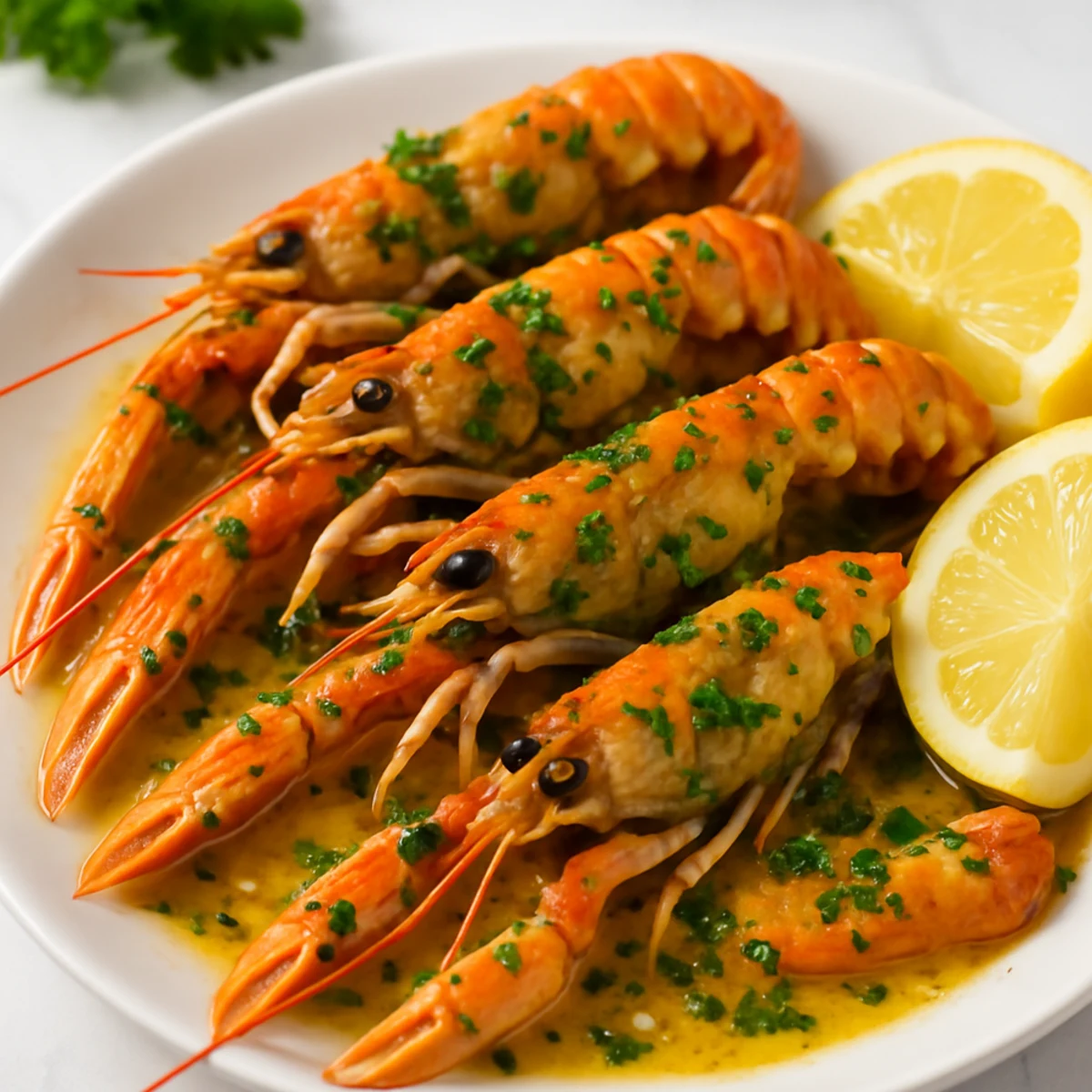
Shrimp scampi shines when it’s served simply. A shallow bowl or wide plate works best because it lets the sauce pool around the shrimp and catch the light. Finish with a shower of parsley, a little lemon zest, and maybe a wedge of lemon on the side for guests who like extra brightness. If you’re serving it for a dinner party, warm plates make the dish feel even more polished.
For accompaniments, crusty sourdough, garlic bread, or linguine are classic choices, but you can also serve shrimp scampi with rice, roasted vegetables, or a crisp green salad. If you want a slightly more modern approach, try it with couscous or whole grains for a hearty yet elegant meal. That’s one reason shrimp scampi whole wheat couscous recipes are becoming more popular—they keep the dish accessible while adding a nutty, wholesome base.
To complete the experience, keep the wine chilled and ready before the shrimp hit the pan. A relaxed table, a bright white wine, and a bowl of steaming shrimp scampi are all you need for a memorable meal.
Conclusion
Shrimp scampi is proof that simple ingredients can create something truly special. With its garlic butter sauce, fresh parsley, and tender shrimp, it’s a dish that feels both comforting and refined. Best of all, it’s one of the easiest ways to explore wine pairing at home.
Whether you reach for a Sonoma Chardonnay, an Oregon Pinot Gris, a French Muscadet, or a crisp Spanish Albariño, the right bottle will bring out the best in every bite. If you’ve been searching for the best wine for shrimp scampi, Vinomat makes it easier to discover pairings that suit your taste and your local stores. Cook the dish, pour the wine, and enjoy the moment.